
Imagine walking into a large factory where hundreds of machines are operating at the same time. Motors are running, conveyor belts are moving, and automated systems are controlling production. But behind all this activity, there is a central system that controls everything — the electrical control panel.
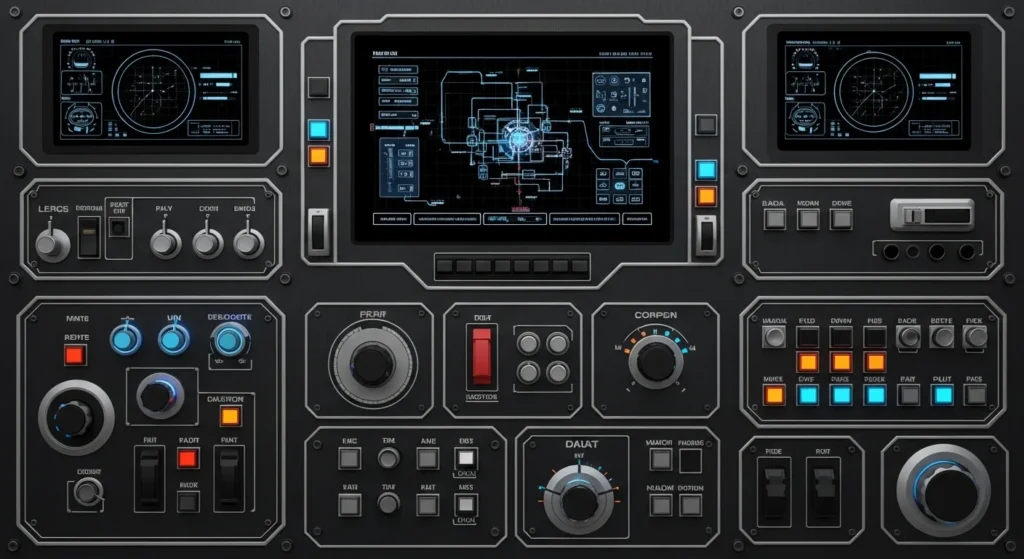
An electrical control panel is like the “brain” of an electrical system. It manages, monitors, and protects machines and electrical equipment. Without proper control panel design, machines could malfunction, electrical faults could occur, and safety risks could increase.
For electrical engineers and technicians, understanding control panel design is a very important skill. A well-designed control panel ensures reliable operation, safety, and easy maintenance of electrical systems.
In this article, you will learn the complete concept of Control Panel Design, including its definition, working principle, types, components, advantages, disadvantages, applications, troubleshooting, and future trends. The explanation is written in simple and practical language so beginners can easily understand it.
2. What is Control Panel Design?
Control Panel Design is the process of planning, arranging, and assembling electrical components inside a panel to control electrical machines and systems safely and efficiently.
In simple words, control panel design is about organizing electrical devices such as breakers, relays, contactors, and controllers in a structured way so that machines can operate properly.
A control panel usually contains:
- Circuit breakers
- Relays
- Contactors
- Switches
- PLC controllers
- Indicators and meters
- Wiring and protection devices
Practical Example
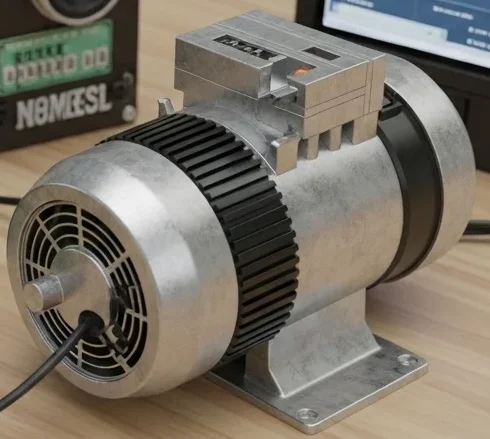
Consider a motor control system in a factory.
Instead of manually connecting wires every time you want to start or stop the motor, engineers design a control panel that includes:
- Start/Stop buttons
- Motor protection circuit breaker
- Contactor
- Overload relay
When the operator presses the start button, the control panel automatically energizes the motor circuit.
This is a simple example of how control panel design helps manage electrical systems safely.
3. Control Panel Design Working Principle
The control panel design working principle is based on controlling electrical power using switching, protection, and automation devices.
A control panel works by receiving electrical input, processing control signals, and sending commands to machines.
Step-by-Step Working Process
Power Input
Electrical power enters the control panel through the main breaker or isolator.
Protection Stage
Devices such as circuit breakers and fuses protect the system from short circuits and overloads.
Control Circuit Activation
Control components like relays, timers, or PLC systems process control signals.
Switching Operation
Contactors and relays switch power to motors or machines.
Monitoring and Indication
Meters, indicators, and displays show voltage, current, and system status.
Simple Analogy
Think of a control panel like a traffic control system in a city.
- Power supply = road network
- Switches and relays = traffic lights
- Controller = traffic management center
Just as traffic lights control vehicles, the control panel controls electrical equipment.
4. Types / Classification of Control Panels
Electrical control panels are designed for different applications. The following are the most common types.
Motor Control Center (MCC)
An MCC panel is used to control multiple electric motors in industrial plants.
Features include:
- Motor starters
- Contactors
- Overload protection
- Control switches
These panels are commonly used in manufacturing industries.
Power Control Center (PCC)
PCC panels distribute electrical power to different parts of a facility.
Main functions include:
- Power distribution
- Protection of electrical circuits
- Monitoring of load conditions
These panels are often installed in power plants and large buildings.
PLC Control Panel
A Programmable Logic Controller (PLC) panel is used for automated systems.
It controls machines using programmed logic and sensors.
Applications include:
- Automated factories
- Robotic systems
- Process industries
Distribution Control Panel
Distribution panels distribute electricity to multiple circuits within buildings.
They usually contain:
- Circuit breakers
- Busbars
- Protection devices
These panels are common in homes and commercial buildings.
5. Main Components of Control Panel Design
A properly designed control panel contains several important components.
Circuit Breaker
Circuit breakers protect electrical systems from overload and short circuits.
They automatically disconnect power when a fault occurs.
Contactor
A contactor is an electrically controlled switch used to start or stop heavy electrical loads like motors.
Overload Relay
Overload relays protect motors from overheating caused by excessive current.
PLC Controller
A PLC acts as the automation brain of the control panel.
It receives input signals from sensors and controls machines accordingly.
Busbars
Busbars distribute electrical power within the panel.
They help connect multiple circuits efficiently.
Indicators and Meters
Indicators show system status such as:
- Power ON/OFF
- Fault conditions
- Motor running status
Meters measure electrical parameters like voltage and current.
6. Control Panel Design Advantages
There are many benefits of proper control panel design.
- Improves electrical system safety
- Provides centralized control of machines
- Reduces electrical faults
- Simplifies troubleshooting
- Increases system efficiency
- Supports automation systems
- Protects equipment from overload and short circuits
These advantages make control panels essential in modern electrical systems.
7. Control Panel Design Disadvantages / Limitations
Despite many benefits, control panel design also has some limitations.
- Initial design cost can be high
- Requires skilled engineers for design and installation
- Complex wiring in large systems
- Maintenance may be required regularly
- Space is required for installation
However, these limitations can be minimized with proper planning and maintenance.
8. Control Panel Design Applications
Control panel design applications are found in almost every electrical system.
Industrial Applications
Factories use control panels to control machines, motors, and production lines.
Power Plants
Power generation facilities use control panels to manage turbines, generators, and electrical distribution.
Building Automation
Large buildings use panels for:
- Lighting control
- HVAC systems
- Elevator control
Water Treatment Plants
Control panels operate pumps and monitoring systems in water facilities.
Renewable Energy Systems
Solar and wind power systems use control panels for power management.
9. Comparison: Control Panel vs Distribution Panel
Many beginners confuse control panels with distribution panels. Understanding the difference between control panel and distribution panel is important.
| Feature | Control Panel | Distribution Panel |
| Purpose | Controls machines | Distributes electrical power |
| Components | PLC, relays, contactors | Circuit breakers |
| Function | Automation and control | Power supply distribution |
| Applications | Factories and automation systems | Buildings and electrical networks |
| Complexity | More complex | Simpler design |
10. Selection Guide: Choosing the Right Control Panel
Selecting the right control panel depends on several important factors.
Load Requirements
Determine the power rating of the equipment to be controlled.
Type of Control System
Decide whether the system requires:
- Manual control
- Automatic control
- PLC automation
Safety Standards
Ensure the panel follows electrical safety standards.
Environmental Conditions
Panels used outdoors should have proper protection against dust and moisture.
Future Expansion
Always design panels with extra space for future equipment.
These tips help beginners select suitable control panels for their applications.
11. Common Problems & Solutions
Below are common issues related to control panels and their solutions.
Why does the control panel overheat?
Possible causes:
- Overloaded circuits
- Poor ventilation
- Loose connections
Solution: Improve cooling and check electrical load.
Why does the motor not start from the control panel?
Possible causes:
- Faulty contactor
- Tripped circuit breaker
- Wiring problem
Solution: Inspect control wiring and protection devices.
Why do control panel indicators not work?
Possible causes:
- Burned indicator lamp
- Control circuit failure
Solution: Replace the indicator or test the control circuit.
12. Future Trends in Control Panel Design
Control panel technology is continuously improving.
Smart Control Panels
Modern panels include smart monitoring systems that provide real-time data.
IoT Integration
Control panels are now connected to the Internet of Things (IoT) for remote monitoring.
Energy Efficient Designs
Engineers are designing panels that reduce energy consumption.
Digital Monitoring Systems
Touchscreen interfaces and digital displays are replacing traditional meters.
These innovations are making control panel systems smarter and more efficient.
13. Conclusion
Control panel design plays a critical role in modern electrical systems. It allows engineers and technicians to control, monitor, and protect machines efficiently.
A well-designed control panel ensures safety, reliability, and easy operation of electrical equipment. From small building systems to large industrial plants, control panels act as the central control unit that manages electrical power and automation processes.
Understanding the control panel design working principle, components, types, and applications helps electrical students and beginners build a strong foundation in electrical engineering.
Although designing control panels requires careful planning and technical knowledge, learning these concepts step by step makes the process much easier.
For anyone entering the electrical field, mastering control panel design is a valuable skill that opens many career opportunities in industry, automation, and power systems.