
Imagine a hospital during a sudden power failure. Within seconds, the lights come back, life-saving machines continue running, and operations remain stable. Behind this quick recovery is a diesel power plant working silently in the background.
In many remote areas, construction sites, factories, and emergency systems, diesel power plants play a critical role. They provide reliable electricity when grid supply is unavailable or unstable.
For electrical students and engineers, understanding how a diesel power plant works is very important. It helps in generator selection, load management, maintenance planning, and backup system design.
In this article, I will explain the diesel power plant working principle, types, main components, applications, advantages and disadvantages, comparison with other plants, and selection guide. Everything will be explained in simple and practical language, just like I would guide a junior engineer at a real project site.
What is Diesel Power Plant?
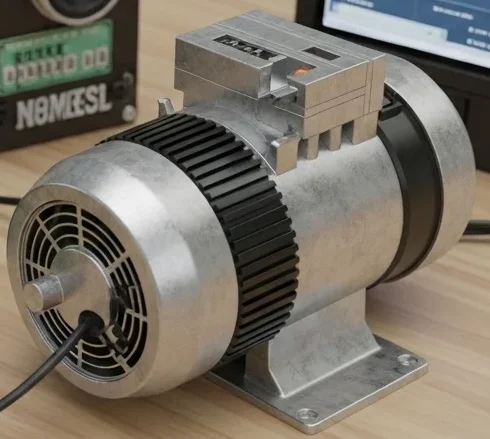
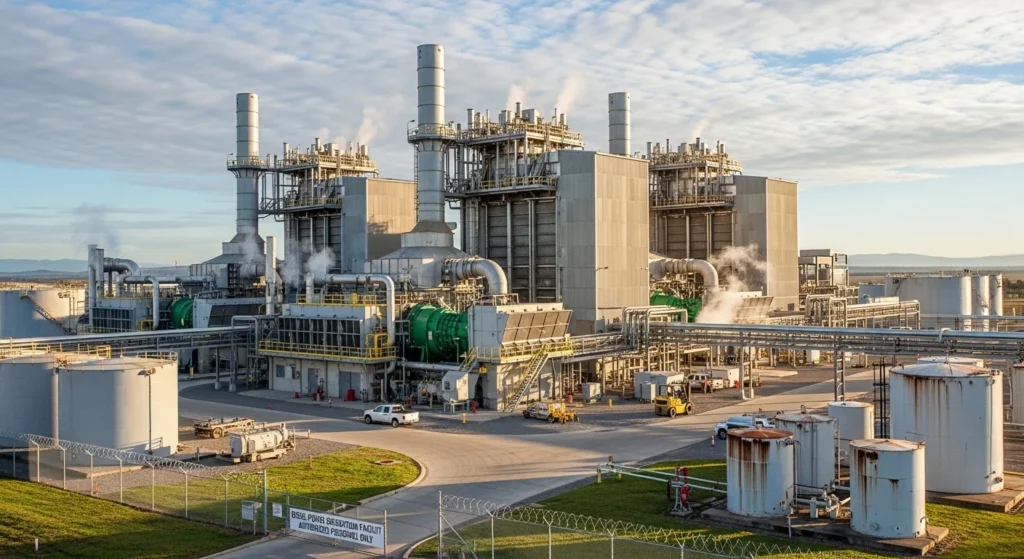
A diesel power plant is a power generation system that uses a diesel engine to drive an electrical generator and produce electricity.
In simple words, diesel fuel is burned inside an engine, and the engine rotates a generator to generate electrical power.
Practical Example
When electricity from the grid fails in a shopping mall, a diesel generator automatically starts. It supplies power to lighting, elevators, and essential equipment. That complete setup is called a diesel power plant.
Diesel power plants are commonly used for backup power and in areas where grid connection is not available.
Diesel Power Plant Working Principle
To understand the diesel power plant working principle, think about how a motorcycle engine works.
Fuel is burned inside the engine, which moves pistons and rotates the crankshaft. That rotation can be used to produce electricity instead of moving wheels.
Step-by-Step Working Principle
- Diesel fuel is injected into the engine cylinder.
- Air is compressed inside the cylinder.
- Diesel ignites due to high compression (no spark plug required).
- Combustion pushes the piston downward.
- The piston rotates the crankshaft.
- The crankshaft rotates the generator shaft.
- The generator converts mechanical energy into electrical energy.
- Electricity is supplied to load through control panel.
Easy Analogy
It is like using a bicycle dynamo, but instead of pedaling with your legs, a diesel engine provides the rotation.
This mechanical-to-electrical conversion forms the core of the diesel power plant working principle.
Types / Classification
Diesel power plants can be classified in different ways.
Based on Application
Standby Diesel Power Plant
- Used during power failure
- Common in hospitals and offices
Prime Diesel Power Plant
- Main source of power
- Used in remote areas
Based on Size
1. Small Capacity (Up to 100 kW)
- Homes and small shops
Medium Capacity (100 kW – 1 MW)
- Commercial buildings
Large Capacity (Above 1 MW)
- Industrial plants
Based on Speed
Low-Speed Engine
- Heavy-duty
- Long life
Medium-Speed Engine
- Balanced performance
High-Speed Engine
- Compact
- Used for emergency systems
Each type is selected based on load and operational requirements.
Main Components of Diesel Power Plant
Understanding components is essential for proper operation.
Diesel Engine
- Converts fuel energy into mechanical energy
- Main driving unit
Generator (Alternator)
- Converts mechanical energy into electrical energy
Fuel System
- Stores and supplies diesel
- Includes fuel tank, pump, and injector
Cooling System
- Maintains engine temperature
- Prevents overheating
Lubrication System
- Reduces friction
- Increases engine life
Air Intake System
- Supplies clean air for combustion
Exhaust System
- Removes burnt gases safely
Control Panel
- Monitors voltage, current, frequency
- Provides protection
All these components work together in diesel power plant applications.
Advantages
Understanding diesel power plant advantages and disadvantages is important for project planning.
Advantages
- Quick start and stop
- Reliable backup power
- Low initial cost compared to large plants
- Easy installation
- Compact design
- Suitable for remote areas
- Good load response
Diesel plants are highly dependable during emergencies.
Disadvantages / Limitations
Despite benefits, there are limitations.
- High fuel cost
- Air pollution
- Noise
- Regular maintenance required
- Not suitable for continuous large-scale power generation
- Fuel storage risk
Careful planning reduces these disadvantages.
Applications
Home Applications
- Backup generators for houses
- Small business backup
Industrial Applications
- Factory emergency power
- Construction sites
- Mining operations
Modern Technology Applications
- Data centers
- Telecom towers
- Hospitals
- Airports
Diesel power plant applications are widespread where reliable power is needed.
Comparison – Diesel Power Plant vs Thermal Power Plant
Students often ask about the difference between diesel power plant and thermal power plant.
| Feature | Diesel Power Plant | Thermal Power Plant |
| Fuel | Diesel | Coal |
| Size | Small to medium | Very large |
| Startup Time | Fast | Slow |
| Efficiency | Moderate | High |
| Installation Cost | Lower | Very high |
| Pollution | Moderate | High |
This comparison helps in understanding plant suitability.
Selection Guide
Choosing the correct diesel power plant requires proper analysis.
For Beginners
- Calculate total load requirement
- Check starting current of motors
- Select generator slightly above load
- Ensure proper ventilation
For Engineers
- Analyze load factor
- Consider fuel consumption rate
- Check voltage regulation
- Select proper protection system
- Plan maintenance schedule
Proper sizing improves efficiency and lifespan.
Common Problems & Solutions (FAQs)
Why generator fails to start?
Check battery, fuel level, and starter motor.
Why voltage fluctuates?
Possible governor issue or load variation.
Why engine overheats?
Cooling system malfunction.
Why black smoke appears?
Incomplete combustion or poor fuel quality.
How to increase efficiency?
Regular servicing and load balancing.
Routine inspection prevents major failures.
Future Trends
Diesel power technology is improving.
Hybrid Systems
Diesel combined with solar power.
Low Emission Engines
Improved combustion technology.
Smart Monitoring
Remote performance tracking.
Bio-Diesel Usage
Environment-friendly fuel options.
Future systems focus on cleaner and smarter power generation.
Conclusion
A diesel power plant is a reliable and widely used system for generating electricity, especially for backup and remote applications. It works by converting diesel fuel energy into mechanical energy and then into electrical energy using a generator.
We discussed the diesel power plant working principle, types, components, applications, advantages and disadvantages, and comparison with other power plants. While it offers fast startup and reliability, it also has fuel cost and environmental limitations.
As a junior engineer, always focus on correct sizing, proper maintenance, and safety standards. Understanding diesel power systems builds a strong foundation in power generation and backup system design.