
Imagine a hospital during a sudden power failure. Within seconds, the lights come back, life-saving machines continue running, and operations remain stable. Behind this quick recovery is a diesel power plant working silently in the background.
In many remote areas, construction sites, factories, and emergency systems, diesel power plants play a critical role. They provide reliable electricity when grid supply is unavailable or unstable.
For electrical students and engineers, understanding how a diesel power plant works is very important. It helps in generator selection, load management, maintenance planning, and backup system design.
In this article, I will explain the diesel power plant working principle, types, main components, applications, advantages and disadvantages, comparison with other plants, and selection guide. Everything will be explained in simple and practical language, just like I would guide a junior engineer at a real project site.
What is Diesel Power Plant (2026 Edition)
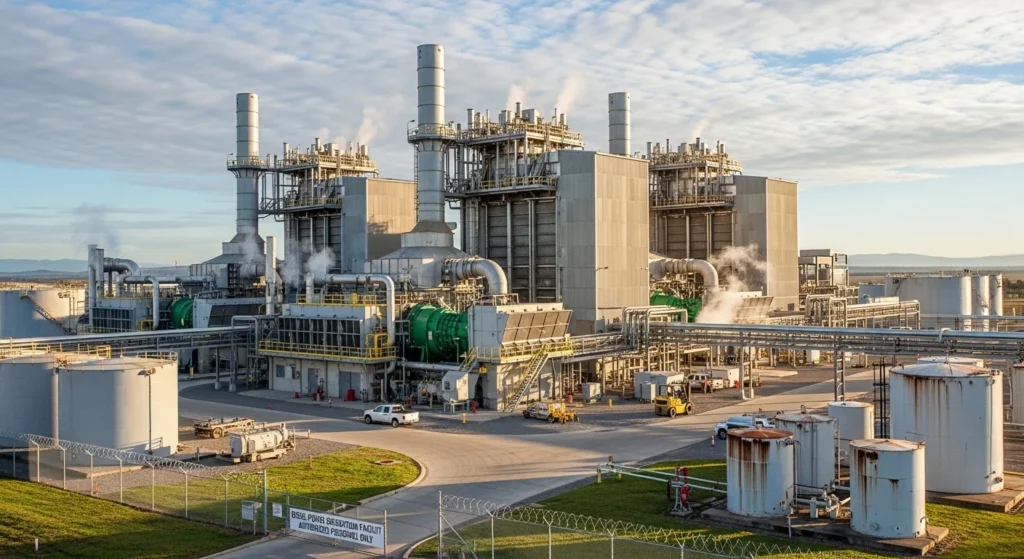
A diesel power plant is a power generation system that uses a diesel engine to drive an electrical generator and produce electricity.
In simple words, diesel fuel is burned inside an engine, and the engine rotates a generator to generate electrical power.
Practical Example
When electricity from the grid fails in a shopping mall, a diesel generator automatically starts. It supplies power to lighting, elevators, and essential equipment. That complete setup is called a diesel power plant.
Diesel power plants are commonly used for backup power and in areas where grid connection is not available.
Diesel Power Plant Working Principle (2026 Edition)
To understand the diesel power plant working principle, think about how a motorcycle engine works.
Fuel is burned inside the engine, which moves pistons and rotates the crankshaft. That rotation can be used to produce electricity instead of moving wheels.
Step-by-Step Working Principle
- Diesel fuel is injected into the engine cylinder.
- Air is compressed inside the cylinder.
- Diesel ignites due to high compression (no spark plug required).
- Combustion pushes the piston downward.
- The piston rotates the crankshaft.
- The crankshaft rotates the generator shaft.
- The generator converts mechanical energy into electrical energy.
- Electricity is supplied to load through control panel.
Easy Analogy
It is like using a bicycle dynamo, but instead of pedaling with your legs, a diesel engine provides the rotation.
This mechanical-to-electrical conversion forms the core of the diesel power plant working principle.
Types / Classification (2026 Edition)
Diesel power plants can be classified in different ways.
Based on Application
Standby Diesel Power Plant
- Used during power failure
- Common in hospitals and offices
Prime Diesel Power Plant
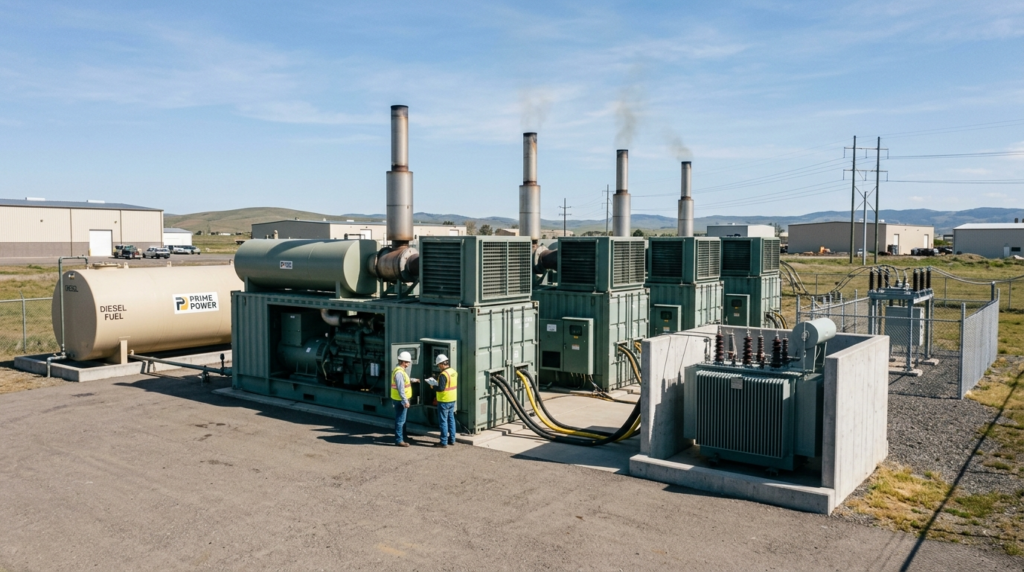
A prime diesel power plant is a type of power generation system that uses a diesel engine as the main prime mover to drive an electrical generator and produce electricity. In this system, the diesel engine converts the chemical energy of diesel fuel into mechanical energy, and the generator converts that mechanical energy into electrical power. Prime diesel power plants are commonly used in areas where continuous and reliable electricity is required, especially in remote locations, industries, construction sites, hospitals, and backup power systems. These plants are known for their quick startup, simple installation, and ability to supply power independently from the main electrical grid. They are suitable for both standby and continuous operation depending on the load requirement. Prime diesel power plants provide good efficiency, strong performance under varying loads, and reliable operation during emergencies or power outages. Due to their flexibility and dependable power generation, they are widely used in industrial and commercial applications around the world.
- Main source of power
- Used in remote areas
Based on Size
Small Capacity (Up to 100 kW)
- Homes and small shops
Medium Capacity (100 kW – 1 MW)
- Commercial buildings
Large Capacity (Above 1 MW)
- Industrial plants
Based on Speed
Low-Speed Engine
- Heavy-duty
- Long life
Medium-Speed Engine
- Balanced performance
High-Speed Engine
- Compact
- Used for emergency systems
Each type is selected based on load and operational requirements.
Main Components of Diesel Power Plant(2026 Edition)
Understanding components is essential for proper operation.
Diesel Engine
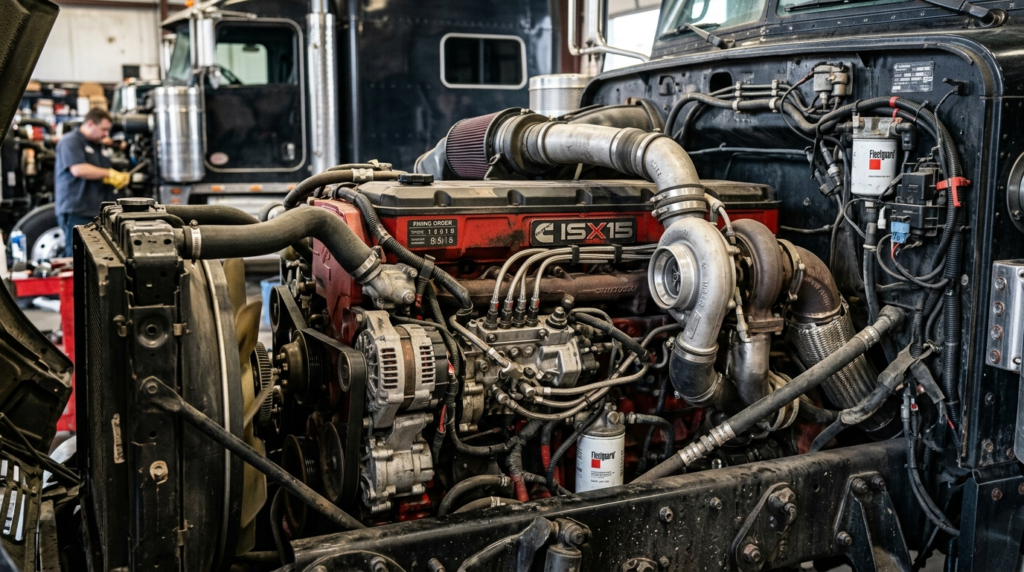
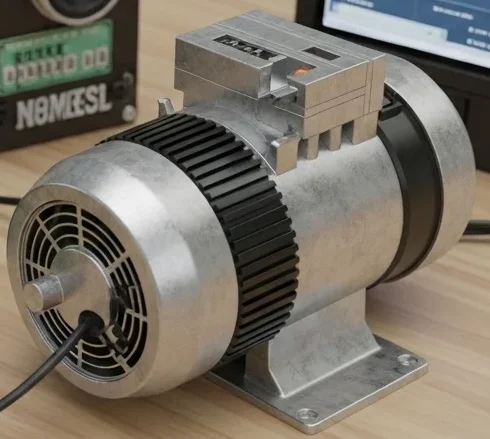
A diesel engine is an internal combustion engine that converts the chemical energy of diesel fuel into mechanical energy through the process of compression ignition. Unlike petrol engines, a diesel engine does not use spark plugs for ignition. Instead, air inside the cylinder is compressed to a very high pressure and temperature, and then diesel fuel is injected into the hot compressed air, causing automatic combustion. The force produced by this combustion moves the piston, which rotates the crankshaft and generates mechanical power. Diesel engines are widely used in trucks, buses, generators, ships, construction machinery, agricultural equipment, and industrial systems because they provide high efficiency, strong torque, and reliable performance. They are known for lower fuel consumption and long operational life compared to many other engine types. Due to their durability and ability to handle heavy loads, diesel engines play an important role in transportation, power generation, and industrial applications around the world.
- Converts fuel energy into mechanical energy
- Main driving unit
Generator (Alternator)
- Converts mechanical energy into electrical energy
Fuel System
- Stores and supplies diesel
- Includes fuel tank, pump, and injector
Cooling System
- Maintains engine temperature
- Prevents overheating
Lubrication System
- Reduces friction
- Increases engine life
Air Intake System
- Supplies clean air for combustion
Exhaust System
- Removes burnt gases safely
Control Panel
- Monitors voltage, current, frequency
- Provides protection
All these components work together in diesel power plant applications.
Advantages of Diesel Power Stations (2026 Edition)
Diesel power stations offer numerous benefits that make them one of the most dependable sources of backup and standby electricity.
Quick Start and Stop
One of the biggest advantages of a diesel power station is its ability to start and stop quickly.
Benefits
- Provides power within seconds after a power failure.
- Ideal for emergency and standby applications.
- Reduces downtime during grid outages.
- Supports critical facilities requiring uninterrupted electricity.
This fast response makes diesel generators the preferred choice for hospitals, data centers, and emergency services.
Reliable Backup Power
Diesel generators are well known for their dependable operation under various operating conditions.
Advantages
- Continuous power during utility failures.
- Stable operation under fluctuating loads.
- Reliable performance in harsh environments.
- High operational availability.
Because of their reliability, diesel power stations are widely used as emergency backup systems around the world.
Lower Initial Cost Compared to Large Power Plants
Compared with large thermal, hydroelectric, or nuclear power stations, diesel power plants require significantly lower initial investment.
Benefits
- Lower installation cost.
- Faster project completion.
- Reduced infrastructure requirements.
- Suitable for small and medium-scale projects.
This makes diesel generators an economical solution for many commercial and industrial users.
Easy Installation
Diesel power stations have a compact design and require relatively simple installation procedures.
Features
- Short installation time.
- Minimal civil construction.
- Easy transportation.
- Flexible installation locations.
- Suitable for temporary or permanent power systems.
Containerized diesel generators further simplify installation and commissioning.
Compact Design
Modern diesel generators are designed to deliver high power output while occupying minimal space.
Benefits
- Space-saving installation.
- Easy relocation when required.
- Suitable for urban and remote locations.
- Ideal for mobile power applications.
Compact designs are especially valuable where installation space is limited.
Suitable for Remote Areas
Diesel power stations provide electricity in locations where utility power is unavailable.
Applications
- Rural communities.
- Remote construction projects.
- Mining operations.
- Oil and gas exploration sites.
- Agricultural facilities.
- Disaster relief operations.
Their ability to operate independently makes them an essential power source in isolated areas.
Good Load Response
Diesel generators respond quickly to changes in electrical demand.
Advantages
- Stable voltage under varying loads.
- Rapid response to sudden load increases.
- Suitable for motor starting.
- Reliable operation with changing power requirements.
Good load response improves system stability and equipment performance.
Disadvantages and Limitations of Diesel Power Stations
Despite their many advantages, diesel power stations also have certain limitations that should be considered during project planning.
Limitations
- High Fuel Cost: Diesel fuel is more expensive than many other energy sources, increasing operating expenses.
- Air Pollution: Diesel engines produce carbon dioxide (CO₂), nitrogen oxides (NOₓ), and particulate emissions.
- Noise Pollution: Engine operation generates significant noise, requiring soundproof enclosures in many installations.
- Regular Maintenance Required: Periodic servicing of the engine, filters, lubricants, and cooling system is essential.
- Not Suitable for Continuous Large-Scale Power Generation: Diesel plants are generally used for backup, standby, or medium-scale applications rather than supplying national power grids.
- Fuel Storage Risks: Improper fuel storage may create safety hazards and fuel contamination issues.
With proper maintenance, modern emission-control systems, and careful operational planning, many of these limitations can be minimized.
Applications of Diesel Power Stations (2026 Edition)
Diesel power stations are used in a wide range of sectors where dependable electricity is required.
Home Applications
Common residential uses include:
- Backup generators for houses.
- Emergency power during utility outages.
- Small home offices.
- Rural residential power systems.
- Home solar hybrid backup systems.
These systems ensure essential appliances continue operating during power failures.
Industrial Applications
Industrial facilities rely heavily on diesel generators for critical operations.
Typical applications include:
- Factory emergency power supply.
- Manufacturing plants.
- Construction sites.
- Mining operations.
- Oil and gas facilities.
- Warehouses.
- Industrial processing plants.
Diesel generators help maintain production and reduce costly downtime.
Technology Applications
With increasing dependence on uninterrupted electricity, diesel power stations are now integrated into many modern infrastructures.
Examples include:
- Data centers.
- Telecom towers.
- Hospitals and healthcare facilities.
- Airports.
- Railway stations.
- Banking and financial institutions.
- Educational campuses.
- Government buildings.
- Disaster recovery centers.
These facilities depend on diesel generators to maintain continuous operation during grid failures.
Why Diesel Power Stations Remain Important
Even with the rapid growth of renewable energy, diesel power stations continue to play an important role because they offer:
- Fast emergency response.
- High reliability.
- Operational flexibility.
- Independent power generation.
- Easy transportation and deployment.
- Compatibility with hybrid renewable energy systems.
Modern diesel generators are increasingly being combined with solar panels, battery storage, and smart energy management systems to improve efficiency and reduce environmental impact.
Comparison – Diesel Power Plant vs Thermal Power Plant (2026 Edition)
Students often ask about the difference between diesel power plant and thermal power plant.
| Feature | Diesel Power Plant | Thermal Power Plant |
| Fuel | Diesel | Coal |
| Size | Small to medium | Very large |
| Startup Time | Fast | Slow |
| Efficiency | Moderate | High |
| Installation Cost | Lower | Very high |
| Pollution | Moderate | High |
This comparison helps in understanding plant suitability.
Selection Guide(2026 Edition)
Selecting the right diesel power station is essential for ensuring reliable electricity generation, fuel efficiency, and long-term operational performance. Whether the diesel generator is intended for residential backup, commercial facilities, industrial plants, hospitals, construction sites, or remote locations, proper sizing and planning are critical. In 2026, engineers not only evaluate the electrical load but also consider fuel efficiency, emission standards, future expansion, smart monitoring systems, renewable energy integration, and maintenance requirements before selecting a diesel power plant. A well-designed system reduces operating costs, improves reliability, and extends equipment lifespan.
Selection Guide for Beginners
If you are selecting a diesel generator for the first time, follow these basic steps to ensure the generator meets your power requirements safely and efficiently.
Calculate the Total Electrical Load
Begin by determining the total power required by all connected electrical equipment.
Include loads such as:
- Lighting systems.
- Fans and air conditioners.
- Water pumps.
- Refrigerators.
- Computers and office equipment.
- Industrial machines.
- Emergency systems.
The total connected load should be calculated in watts (W) or kilowatts (kW) to determine the appropriate generator capacity.
Check the Starting Current of Motors
Electric motors require a much higher current during startup than during normal operation.
Examples include:
- Water pumps.
- Air compressors.
- HVAC equipment.
- Conveyor systems.
- Industrial machinery.
Always consider the starting current (inrush current) when selecting the generator, as undersized generators may struggle to start motor-driven loads.
Select a Generator Slightly Above the Total Load
A diesel generator should not operate continuously at its maximum rated capacity.
A good practice is to:
- Choose a generator with a capacity 10–20% higher than the calculated load.
- Allow additional capacity for future expansion.
- Avoid continuous overloading.
Providing a safety margin improves efficiency, reduces engine stress, and increases service life.
Ensure Proper Ventilation
Diesel engines generate significant heat during operation and require adequate airflow for cooling.
Proper ventilation helps to:
- Prevent engine overheating.
- Improve combustion efficiency.
- Reduce operating temperature.
- Extend engine lifespan.
- Maintain reliable performance.
Generator rooms should also include suitable exhaust systems to safely remove engine emissions.
Selection Guide for Engineers
Professional engineers perform a more detailed technical analysis before selecting a diesel power station.
Analyze the Load Factor
Load factor indicates how efficiently the generator capacity is utilized over time.
Engineers evaluate:
- Average electrical load.
- Peak demand.
- Daily operating hours.
- Seasonal load variations.
- Continuous and standby operating conditions.
A proper load factor improves fuel economy and reduces operating costs.
Consider Fuel Consumption Rate
Fuel consumption is a major factor in the operating cost of a diesel power station.
Engineers compare:
- Fuel consumption per kWh.
- Engine efficiency.
- Fuel tank capacity.
- Expected operating hours.
- Fuel availability and storage requirements.
Selecting a fuel-efficient generator reduces long-term operating expenses.
Check Voltage Regulation
Stable voltage is essential for protecting sensitive electrical equipment.
Engineers verify:
- Automatic Voltage Regulator (AVR) performance.
- Voltage stability under varying loads.
- Frequency regulation.
- Harmonic distortion levels.
- Power quality requirements.
Good voltage regulation ensures safe and reliable operation of connected equipment.
Select Proper Protection Systems
Modern diesel power stations require comprehensive electrical and mechanical protection.
Important protection devices include:
- Circuit breakers.
- Overload protection.
- Short-circuit protection.
- Earth fault protection.
- Low oil pressure shutdown.
- High engine temperature protection.
- Over-speed protection.
- Battery charging protection.
These safety systems protect both the generator and connected electrical equipment.
Plan a Preventive Maintenance Schedule
A preventive maintenance program improves generator reliability and reduces unexpected breakdowns.
Maintenance planning should include:
- Regular oil changes.
- Fuel and air filter replacement.
- Cooling system inspection.
- Battery testing.
- Alternator inspection.
- Electrical connection checks.
- Load bank testing.
- Performance monitoring.
Routine maintenance extends equipment life while maintaining high operational efficiency.
Additional Factors to Consider in 2026
Modern diesel power station selection also includes advanced engineering considerations such as:
- Smart monitoring and remote diagnostics.
- AI-based predictive maintenance.
- Hybrid diesel-solar power systems.
- Bio-diesel compatibility.
- Compliance with environmental regulations.
- Noise reduction requirements.
- Integration with smart grids and battery storage systems.
- Future scalability and energy management.
These factors help ensure the diesel power plant remains efficient, reliable, and ready for future energy demands.
Practical Tips for Beginners and Engineers
For the best results:
Plan for future expansion and technological upgrades.
Accurately calculate the total electrical load.
Consider motor starting currents.
Select a generator with a suitable safety margin.
Ensure proper ventilation and cooling.
Evaluate fuel efficiency and operating costs.
Install appropriate protection devices.
Follow a regular maintenance schedule.
Common Diesel Power Station Problems, Solutions, and FAQs (2026 Edition)
Diesel power stations are widely used for backup power, emergency power supply, industrial operations, and remote electricity generation because of their reliability and fast startup capability. However, like any mechanical and electrical system, diesel generators can experience operational issues that affect performance, fuel efficiency, and equipment lifespan. Understanding the most common problems, their causes, and practical solutions is essential for students, technicians, and engineers. In 2026, modern diesel power stations also use smart monitoring systems, AI-based diagnostics, and predictive maintenance technologies to identify faults early, reduce downtime, and improve overall system reliability.
Why Does a Diesel Generator Fail to Start?
A diesel generator that fails to start is one of the most common issues encountered in power stations. The problem may be related to the electrical starting system, fuel supply, or engine components.
Causes
- Weak or discharged battery.
- Low fuel level or empty fuel tank.
- Faulty starter motor.
- Clogged fuel filter.
- Air trapped in the fuel line.
- Defective fuel injection system.
- Loose battery terminals or damaged cables.
- Faulty control panel or safety shutdown.
Recommended Solutions
- Check the battery voltage and recharge or replace the battery if necessary.
- Ensure there is sufficient clean fuel in the tank.
- Inspect the starter motor and starting circuit.
- Replace clogged fuel filters.
- Remove air from the fuel system by bleeding the fuel lines.
- Tighten battery terminals and electrical connections.
- Verify that all safety switches and control systems are functioning correctly.
Regular inspection of the starting system greatly reduces unexpected generator failures.
Why Does Generator Output Voltage Fluctuate?
Voltage fluctuations can affect sensitive electrical equipment and reduce the quality of power supplied by the diesel generator.
Causes
- Faulty governor operation.
- Sudden load variations.
- Malfunctioning Automatic Voltage Regulator (AVR).
- Engine speed instability.
- Loose electrical connections.
- Worn alternator components.
Recommended Solutions
- Inspect and adjust the governor settings.
- Maintain a stable electrical load whenever possible.
- Test the AVR and replace it if defective.
- Ensure the engine operates at the correct rated speed.
- Tighten electrical terminals and inspect wiring.
- Perform regular alternator maintenance.
Maintaining stable engine speed and proper voltage regulation ensures consistent power quality.
Why Does the Diesel Engine Overheat?
Engine overheating can reduce efficiency and cause severe damage if not corrected promptly.
Causes
- Cooling system malfunction.
- Low coolant level.
- Blocked radiator.
- Faulty water pump.
- Defective thermostat.
- Excessive engine load.
- Poor ventilation around the generator.
Recommended Solutions
- Check and refill the coolant if required.
- Clean the radiator and cooling fins.
- Inspect the water pump and thermostat.
- Ensure adequate airflow around the generator.
- Reduce excessive loading.
- Perform regular cooling system maintenance.
Proper cooling system maintenance helps extend engine life and maintain reliable operation.
Why Does Black Smoke Appear from the Exhaust?
Black smoke indicates incomplete fuel combustion and usually signals poor engine performance or fuel system problems.
Causes
- Poor-quality diesel fuel.
- Clogged air filter.
- Dirty fuel injectors.
- Incorrect fuel-air mixture.
- Overloaded engine.
- Faulty turbocharger (if installed).
Recommended Solutions
- Use high-quality diesel fuel.
- Replace or clean the air filter.
- Inspect and clean fuel injectors.
- Adjust the fuel injection system.
- Operate the generator within its rated capacity.
- Service the turbocharger and intake system.
Efficient combustion improves fuel economy while reducing exhaust emissions.
How Can Diesel Generator Efficiency Be Increased?
Improving efficiency reduces operating costs and extends equipment lifespan.
Best Practices
- Perform regular servicing according to the manufacturer’s schedule.
- Balance electrical loads properly.
- Replace fuel, oil, and air filters periodically.
- Use high-quality lubricants and clean fuel.
- Maintain the cooling system.
- Monitor fuel consumption and engine performance.
- Avoid prolonged operation under very light or excessive loads.
- Use smart monitoring systems to optimize operation.
Well-maintained diesel generators consume less fuel, produce cleaner emissions, and operate more reliably.
Importance of Routine Inspection
Routine inspection is one of the most effective ways to prevent unexpected failures and costly repairs.
Regular Maintenance Checklist
- Check engine oil level.
- Inspect coolant level.
- Verify battery condition.
- Test fuel quality and fuel level.
- Inspect belts and hoses.
- Tighten electrical connections.
- Clean air and fuel filters.
- Test the generator under load.
- Monitor voltage, frequency, and engine temperature.
Preventive maintenance significantly increases the reliability and service life of diesel power stations.
Diagnostic Technologies (2026)
Today’s diesel power stations are equipped with advanced diagnostic and monitoring systems that improve maintenance and fault detection.
New Technologies
- AI-based fault diagnosis.
- IoT-enabled remote monitoring.
- Real-time engine performance tracking.
- Predictive maintenance systems.
- Automatic fault alerts.
- Cloud-based maintenance records.
- Digital control panels with self-diagnostic features.
These technologies allow operators to identify problems before they lead to major equipment failures.
Future Trends (2026)
The diesel power generation industry is undergoing significant transformation as the demand for cleaner, more efficient, and intelligent energy systems continues to grow. While diesel power stations remain an important source of backup and emergency electricity, modern engineering is focused on reducing fuel consumption, lowering emissions, and improving operational efficiency. 2026 advancements in hybrid energy systems, low-emission diesel engines, smart monitoring technologies, bio-diesel fuels, artificial intelligence (AI), and digital automation are reshaping the future of diesel power plants. These innovations aim to deliver reliable power while meeting stricter environmental regulations and sustainability goals.
Hybrid Diesel Power Systems
One of the biggest developments in modern power generation is the integration of diesel generators with renewable energy sources.
Key Features
- Diesel generators combined with solar photovoltaic (PV) systems.
- Integration with battery energy storage systems (BESS).
- Automatic switching between renewable energy and diesel power.
- Reduced fuel consumption during daylight hours.
- Lower operating costs.
- Improved energy reliability in remote locations.
- Reduced greenhouse gas emissions.
Hybrid systems are widely used in industries, hospitals, telecom towers, mining sites, and remote communities where uninterrupted power is essential.
Low-Emission Diesel Engines
Modern diesel engines are being redesigned to comply with increasingly strict environmental standards.
Major Improvements
- Advanced fuel injection systems.
- Improved combustion chamber design.
- Turbocharging and intercooling technology.
- Reduced particulate matter (PM) emissions.
- Lower nitrogen oxide (NOx) emissions.
- Better fuel efficiency.
- Reduced carbon dioxide (CO₂) emissions.
These innovations help diesel power stations produce cleaner electricity while maintaining high performance and reliability.
Smart Monitoring and Digital Automation
Digital technologies are transforming diesel power plants into intelligent, connected energy systems.
Smart Monitoring Features
- Remote performance tracking through cloud platforms.
- Real-time monitoring of engine parameters.
- Fuel consumption analysis.
- Automatic fault detection and diagnostics.
- Predictive maintenance alerts.
- Remote start and shutdown capabilities.
- Mobile application integration for operators.
These technologies reduce downtime, improve maintenance planning, and increase overall plant efficiency.
Bio-Diesel and Alternative Fuels
The use of bio-diesel and other renewable fuels is becoming increasingly popular as industries seek environmentally friendly alternatives to conventional diesel.
Benefits of Bio-Diesel
- Renewable and biodegradable fuel source.
- Lower carbon emissions.
- Reduced smoke and particulate emissions.
- Improved environmental sustainability.
- Compatible with many existing diesel engines after minor modifications.
- Reduced dependence on fossil fuels.
Many countries are encouraging the adoption of bio-diesel blends to support cleaner energy production.
Artificial Intelligence (AI) and Predictive Maintenance
Artificial intelligence is improving the operation and maintenance of diesel power stations.
AI Applications
- Predictive maintenance based on equipment condition.
- Intelligent fuel optimization.
- Automatic load management.
- Early fault prediction.
- Performance optimization using machine learning.
- Reduced maintenance costs.
- Increased equipment lifespan.
AI-driven systems help operators maximize efficiency while minimizing unexpected failures.
Integration with Smart Grids
Future diesel power stations will increasingly operate as part of smart electrical grids.
Advantages
- Automatic synchronization with the utility grid.
- Improved load sharing.
- Better voltage and frequency regulation.
- Support for renewable energy integration.
- Faster response during grid emergencies.
- Enhanced power quality and reliability.
Smart grid integration enables diesel generators to operate more efficiently while supporting modern power networks.
Conclusion
A diesel power plant is a reliable and widely used system for generating electricity, especially for backup and remote applications. It works by converting diesel fuel energy into mechanical energy and then into electrical energy using a generator.
We discussed the diesel power plant working principle, types, components, applications, advantages and disadvantages, and comparison with other power plants. While it offers fast startup and reliability, it also has fuel cost and environmental limitations.
As a junior engineer, always focus on correct sizing, proper maintenance, and safety standards. Understanding diesel power systems builds a strong foundation in power generation and backup system design.