
Imagine a hospital during a sudden power failure. Within a few seconds, the lights come back on, medical equipment continues running, and doctors can continue their work without interruption. No technician rushes to start the generator manually. Instead, the generator starts automatically and supplies power instantly.
This happens because of an Automatic Generator Control System.
In modern electrical systems, power interruptions can cause serious problems. Industries may lose production, hospitals may face safety risks, and businesses may lose important data. For this reason, automatic generator control systems are widely used to ensure continuous power supply during outages.
An Automatic Generator Control System detects when the main power supply fails and automatically starts the generator. When the main power returns, the system safely switches back and stops the generator.
Understanding this system is important for electrical students, engineers, and technicians who work with backup power systems.
In this guide, you will learn:
- The concept of Automatic Generator Control System
- Automatic generator control system working principle
- Types of automatic generator control systems
- Important components used in these systems
- Automatic generator control system advantages and disadvantages
- Real-world automatic generator control system applications
This article explains the topic in simple and clear language so beginners can easily understand how these systems work in real electrical installations.
What Is an Automatic Generator Control System?
An Automatic Generator Control System (AGCS) is an electrical control system that automatically monitors the main power supply and controls a backup generator when the normal electricity supply fails. It can start the generator, monitor its operating conditions, and help transfer the electrical load without requiring manual operation.
In simple terms, an automatic generator control system is designed to keep backup power available when the main electrical supply is interrupted. It continuously monitors the incoming power and responds automatically when a power failure or abnormal voltage condition is detected.
How Does an Automatic Generator Control System Work?
The automatic generator control system working principle is based on continuously monitoring the condition of the main electrical supply. When the system detects a power failure, it sends a start command to the generator.
Main Power Supply Monitoring
Under normal conditions, the control system continuously monitors the main power supply. It checks whether the incoming voltage is within the required operating range.
If the main supply fails, drops below the set voltage level, or becomes abnormal, the controller detects the condition and initiates the generator starting sequence.
Automatic Generator Starting
After detecting a confirmed power failure, the control system sends a signal to start the generator. The generator engine starts automatically and runs until it reaches the required operating speed.
Once the generator produces stable voltage and frequency, it becomes ready to supply the required electrical load.
Automatic Load Transfer
After the generator reaches normal operating conditions, the system can transfer the electrical load from the main supply to the generator through an Automatic Transfer Switch (ATS).
This allows the connected electrical equipment to continue receiving power from the backup generator.
Automatic Return to Main Power
When the main power supply is restored and becomes stable, the control system detects the return of utility power. It then transfers the load back to the main supply.
After the load has been transferred, the generator can continue running for a short cooldown period before shutting down automatically.
Practical Example of an Automatic Generator Control System
Consider a data center where servers, networking equipment, and other critical electrical systems must operate continuously. Even a short power interruption can affect important operations.
An automatic generator control system monitors the normal power supply and starts the standby generator when a power failure occurs. After the generator reaches stable operating conditions, the system transfers the required load to the generator.
When the main power returns, the system automatically transfers the load back to the utility supply and shuts down the generator after the appropriate cooldown period.
This is why automatic generator control systems are widely used in data centers, hospitals, factories, offices, commercial buildings, and other facilities that require reliable backup power.
Step-by-Step Working Process of an Automatic Generator Control System
The automatic generator control system working process consists of several important steps that allow a standby generator to respond automatically to a power failure and restore the electrical supply. The system continuously monitors the main power source, detects abnormal conditions, starts the generator, transfers the load, and returns the load to the main supply when utility power is restored.
Monitoring the Main Power Supply
Monitoring the main power supply is the first step in an automatic generator control system. The control unit continuously checks the condition of the primary electrical supply to make sure that voltage and frequency remain within the required operating limits.
The system can detect conditions such as power failure, low voltage, voltage fluctuations, phase failure, and abnormal frequency. Voltage sensors, current transformers, relays, meters, and control circuits may be used to provide information to the generator controller.
The control system constantly monitors:
- Main supply voltage
- Frequency
- Power availability
- Phase condition
If the main supply voltage disappears or falls below the programmed limit, the controller recognizes that a power failure has occurred and begins the automatic generator starting sequence.
Detecting a Power Failure
When the control system detects a failure or abnormal condition in the main power supply, it sends a start signal to the standby generator.
A short time delay may be included to prevent the generator from starting unnecessarily because of a temporary voltage fluctuation. Once the power failure is confirmed, the generator controller activates the starting system.
This automatic detection allows the backup generator to respond quickly without requiring an operator to start it manually.
Starting the Generator Automatically
After detecting a confirmed power failure, the generator controller sends a signal to the engine starting system.
The generator engine starts automatically using its battery-powered starter system. Once the engine starts and reaches the required operating speed, the starting motor is disengaged.
The generator then begins producing electrical power. The control system continues monitoring the generator to make sure it is operating correctly before connecting it to the electrical load.
Generator Voltage and Frequency Stabilization
Before the generator supplies power to the connected load, the control system checks whether the generator has reached stable operating conditions.
The controller typically monitors:
- Generator output voltage
- Generator frequency
- Engine speed
- Engine operating conditions
The generator must produce the required voltage and frequency before the load is transferred. This helps protect electrical equipment and ensures that the backup power supply is suitable for the connected loads.
Automatic Load Transfer
Once the generator reaches stable operating conditions, the Automatic Transfer Switch (ATS) transfers the electrical load from the main utility supply to the generator.
The ATS disconnects the load from the failed utility source and connects it to the generator supply. The building or facility can then continue operating using generator power.
The automatic load transfer process is especially important in hospitals, data centers, industrial facilities, commercial buildings, and other critical electrical installations where maintaining power is essential.
Monitoring the Main Power Supply During Generator Operation
Even after the generator starts supplying the load, the control system continues monitoring the main utility supply.
The controller checks whether the normal power source has returned and whether its voltage and frequency have become stable. The generator remains in operation until the main supply is confirmed to be available and suitable for reconnecting the load.
This continuous monitoring ensures that the system does not transfer the load back to an unstable utility supply.
Returning to Main Power
Returning to main power is the final stage of the automatic generator control process. When the normal utility supply is restored, the control system monitors it for a programmed period to confirm that the voltage and frequency are stable.
Once stable main power is confirmed, the Automatic Transfer Switch (ATS) transfers the electrical load from the generator back to the main utility supply.
After the load has been transferred, the generator normally continues running without load for a short cooldown period. This allows the engine to cool properly and helps reduce thermal stress.
After the cooldown period is completed, the generator controller sends a stop command and the generator shuts down automatically.
When the main supply becomes stable again:
- The ATS transfers the electrical load back to the utility supply.
- The generator continues running temporarily for cooldown.
- The generator stops automatically after the cooldown period.
Therefore, the complete automatic generator control system working process—from monitoring the main supply and detecting a power failure to starting the generator, transferring the load, and returning to normal utility power—can take place automatically without manual intervention.
Types and Classification of Automatic Generator Control Systems
Automatic generator control systems can be classified according to their control method, level of automation, switching arrangement, and monitoring capabilities. Different types are used depending on the size of the electrical system, backup power requirements, and level of operator involvement.
Automatic Transfer Switch (ATS) Control System
An Automatic Transfer Switch (ATS) control system is one of the most commonly used arrangements for standby generator systems. It automatically transfers the electrical load between the normal utility supply and the backup generator.
During normal operation, the electrical load receives power from the main supply. When a power failure is detected, the control system starts the generator and, after the generator reaches stable operating conditions, the ATS transfers the load to the generator.
When the main power supply is restored and remains stable, the ATS automatically transfers the load back to the utility supply.
Key functions include:
- Monitoring the main power supply
- Automatic generator start command
- Automatic load transfer
- Automatic return to utility power
- Generator shutdown after cooldown
Manual Generator Control System
A manual generator control system requires an operator to perform some or all generator control operations. Unlike a fully automatic system, the generator may need to be started manually and the electrical load may also require manual transfer.
This type of system is generally simpler and can have a lower installation cost, but it is less suitable for applications where immediate backup power is required.
Typical operations include:
- Manual generator starting
- Manual generator stopping
- Manual load transfer
- Operator-based system monitoring
Manual control may be suitable for smaller facilities, non-critical loads, or applications where an operator is normally available.
Fully Automatic Generator Control System
A fully automatic generator control system performs the complete backup power sequence with minimal human intervention. The control system monitors the utility supply, detects a power failure, starts the generator, checks generator operating conditions, transfers the load, and returns the load to the main supply when utility power is restored.
Common features include:
- Automatic generator start and stop
- Automatic load transfer
- Main supply monitoring
- Generator voltage and frequency monitoring
- Fault detection and protection
- Alarm and warning functions
- Automatic cooldown and shutdown
Fully automatic systems are commonly used in hospitals, data centers, airports, industrial plants, commercial buildings, and other critical facilities where reliable backup power is important.
Remote Generator Monitoring and Control System
A remote generator monitoring and control system allows operators or maintenance personnel to monitor generator performance from a remote location. Modern generator controllers can use communication networks to transmit operating information to a monitoring platform or control center.
Depending on the system design, users may be able to monitor:
- Generator operating status
- Fuel level
- Engine operating hours
- Battery condition
- Generator voltage and frequency
- Active alarms and faults
- Maintenance information
Remote monitoring is particularly useful for industrial facilities, telecommunications sites, commercial buildings, and multiple-generator installations where generators may be located at different sites.
These systems can help maintenance teams identify faults quickly, monitor generator performance, and plan servicing before a serious problem affects backup power availability.
Main Components of Automatic Generator Main Components of an Automatic Generator Control System
Several important electrical and control components work together to operate an automatic generator control system. These components monitor the main power supply, control generator operation, transfer electrical loads, and provide protection during abnormal conditions.
Automatic Transfer Switch (ATS)
An Automatic Transfer Switch (ATS) is one of the most important components of an automatic generator control system. It is an electrical switching device that automatically transfers the connected load between the main utility supply and a backup generator when the normal power source fails.
The ATS continuously monitors the incoming utility power. When it detects a power failure, low voltage, or another programmed abnormal condition, it initiates the transfer sequence so the electrical load can receive power from the generator after the generator reaches suitable operating conditions.
When the main power supply returns and becomes stable, the ATS transfers the electrical load back to the utility supply and allows the generator to return to standby operation.
The main functions of an ATS include:
- Monitoring the main power supply
- Transferring the load to generator power
- Returning the load to utility power
- Preventing unsafe source connections
- Supporting automatic backup power operation
ATS units are widely used in hospitals, data centers, industrial facilities, commercial buildings, communication systems, and other applications where reliable backup power is required.
Generator Controller
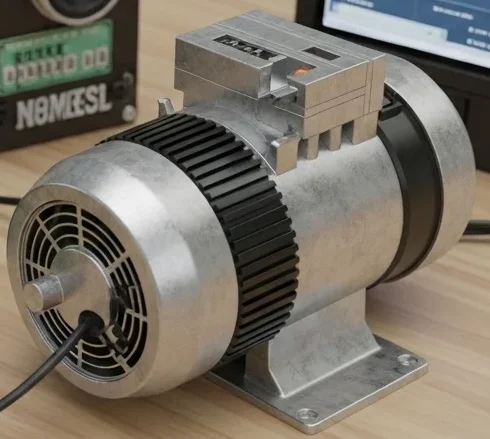
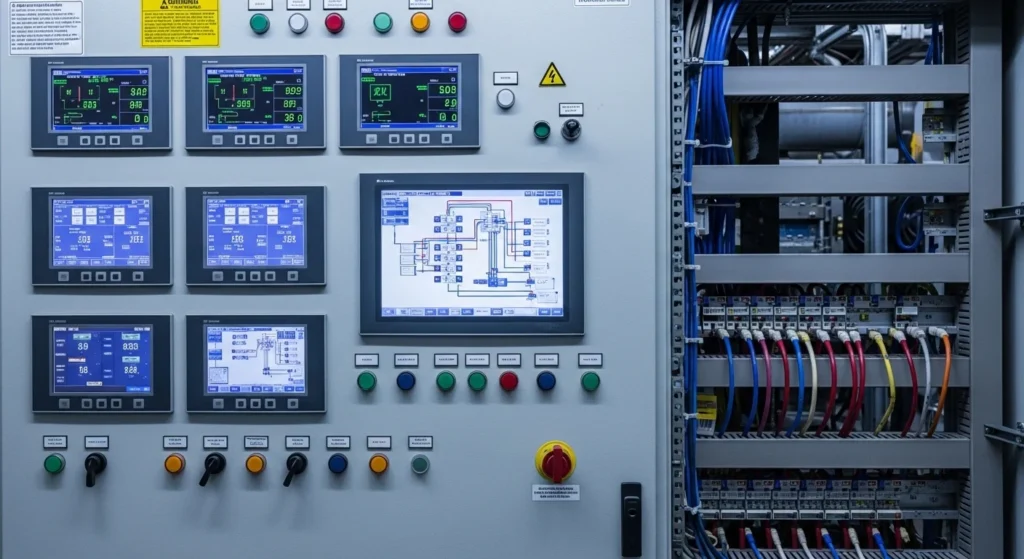
The generator controller is the main control unit responsible for managing the operation of the generator. It receives information from electrical and engine sensors and uses programmed control logic to determine when the generator should start, operate, or stop.
The generator controller performs functions such as:
- Starting the generator automatically
- Stopping the generator automatically
- Monitoring engine speed
- Monitoring voltage and frequency
- Detecting operating faults
- Providing warning and alarm indications
- Monitoring important engine parameters
Modern generator controllers commonly include digital displays, fault indicators, event logs, and remote monitoring capabilities. These features help operators and maintenance technicians monitor generator performance and identify problems quickly.
Voltage Sensor
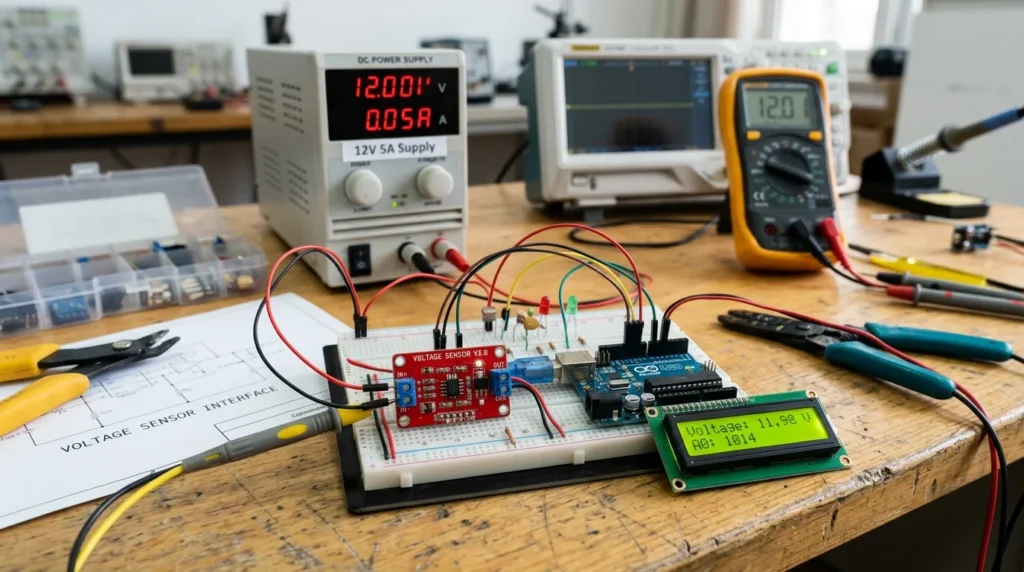
Voltage sensors monitor the main power supply.A voltage sensor is an electronic device used to detect, measure, and monitor electrical voltage levels in a circuit or system. It works by sensing the input voltage and converting it into a smaller, safe electrical signal that can be processed by measuring instruments, microcontrollers, control systems, or monitoring devices. Voltage sensors are widely used in electrical systems, industrial automation, power supplies, renewable energy systems, battery monitoring, and smart electronic devices because they help maintain safe and stable operation. These sensors can measure AC or DC voltage depending on their design and are commonly connected to protection circuits, digital displays, alarm systems, and control units for real-time voltage monitoring. In many applications, voltage sensors protect equipment from overvoltage, undervoltage, and power fluctuations by providing accurate voltage information to control systems. Modern voltage sensors are compact, highly accurate, and suitable for integration with IoT and automation technologies. Understanding the voltage sensor is important for electrical students, engineers, and technicians because voltage measurement and monitoring are essential for troubleshooting, protection, energy management, and efficient operation of electrical and electronic systems.If voltage drops below a safe level, the system triggers the generator startup.
Battery and Starter Motor
The battery powers the starter motor that starts the generator engine.
A weak battery can prevent automatic starting.
Circuit Breakers
Circuit breakers protect the system from electrical faults.
They disconnect power during overload or short circuits.
Automatic Generator Control System Advantages and Disadvantages
Understanding automatic generator control system advantages and disadvantages helps engineers decide when to use these systems.
Advantages
- Provides uninterrupted power supply
- Starts generator automatically during power failure
- Reduces need for manual operation
- Improves reliability of backup power systems
- Protects sensitive electrical equipment
- Suitable for critical facilities like hospitals and data centers
- Enhances safety and operational efficiency
These advantages make automatic systems essential in modern electrical infrastructure.
Disadvantages / Limitations
Despite their benefits, these systems have some limitations.
- Higher installation cost
- Requires skilled technicians for setup
- Control components may require maintenance
- System faults may affect generator operation
However, the benefits usually outweigh these limitations in critical applications.
Automatic Generator Control System Applications
Automatic generator control system applications can be found in residential, commercial, industrial, and critical infrastructure facilities. These systems are used wherever reliable backup power is needed to keep essential electrical equipment and operations running during utility power interruptions.
Industrial Applications
Industrial facilities often depend on a continuous and reliable power supply for production processes and essential machinery. An automatic generator control system can automatically start backup generators and transfer selected loads when the main power supply fails.
Common industrial applications include:
- Manufacturing plants
- Oil and gas facilities
- Mining operations
- Chemical processing plants
- Large production facilities
Automatic generator systems help reduce production interruptions and protect important electrical equipment during power outages.
Commercial Applications
Commercial buildings use automatic generator control systems to maintain essential electrical services when the normal utility supply is interrupted.
Common applications include:
- Hospitals
- Airports
- Shopping malls
- Hotels
- Office buildings
- Data centers
These facilities may use automatic backup power to support critical lighting, security systems, communication equipment, HVAC systems, and other essential loads.
Residential Applications
Automatic generator systems are also used in larger homes, apartment buildings, and residential properties where reliable backup electricity is required.
Depending on the generator capacity and electrical system design, backup power may be used for:
- Lighting
- Security systems
- Water pumps
- Air conditioning
- Refrigeration
- Essential household equipment
Automatic vs Manual Generator Control System
Understanding the difference between automatic and manual generator control systems helps users select a suitable backup power solution for their application.
| Feature | Automatic Generator Control System | Manual Generator Control System |
|---|---|---|
| Operation | Automatic | Manual |
| Power failure response | Automatic detection and starting sequence | Operator intervention required |
| Load transfer | Usually automatic through ATS | Usually manual |
| Human involvement | Minimal | Required |
| Response | Fast | Depends on operator response |
| Cost | Generally higher | Generally lower |
| Typical applications | Critical and commercial facilities | Small or non-critical facilities |
Automatic generator control systems are generally preferred for applications where fast response, reliable backup power, and minimal human intervention are important.
How to Select an Automatic Generator Control System
Choosing the right automatic generator control system requires consideration of the generator capacity, electrical load, operating environment, and required level of monitoring and protection.
Determine the Required Power Capacity
First, determine the total electrical load that the generator needs to supply. Consider both the normal running load and the starting current of motors and other equipment.
The generator and its control system should be appropriately sized for the intended application.
Select the Correct ATS Capacity
The Automatic Transfer Switch (ATS) should be properly rated for the connected electrical load. Its voltage, current rating, number of poles, and system configuration should match the electrical installation.
Consider System Reliability
For critical applications, select a reliable generator controller and transfer system with suitable protection, alarms, and monitoring functions.
Check Monitoring and Control Features
Modern generator controllers may provide useful monitoring functions such as:
- Generator voltage and frequency display
- Fault and alarm indications
- Engine parameter monitoring
- Operating-hour tracking
- Maintenance reminders
- Remote monitoring capabilities
Check Spare Parts and Technical Support
Before selecting a system, consider the availability of replacement parts, technical support, and qualified service personnel. Easy access to spare components can simplify maintenance and reduce generator downtime.
Common Automatic Generator Control System Problems and Solutions
Understanding common automatic generator control system problems can help technicians identify faults and restore reliable operation.
Why Does the Generator Not Start Automatically?
Possible causes include:
- Weak or discharged starting battery
- Faulty generator controller
- Starting system failure
- Sensor or control circuit fault
- Incorrect controller settings
Solution:
- Check the battery voltage and battery connections.
- Inspect the generator controller and alarm indications.
- Check the starting circuit and related wiring.
- Inspect sensors and control signals.
- Verify the controller settings.
Why Does the ATS Fail to Transfer the Load?
Possible causes include:
- Mechanical failure in the ATS
- Control circuit problem
- Faulty sensing circuit
- Loose or damaged electrical connections
- Incorrect control settings
Solution:
- Inspect the ATS mechanism.
- Check control wiring and connections.
- Verify utility and generator sensing signals.
- Check ATS settings and operating indications.
- Have qualified personnel test the switching system.
Why Does the Generator Stop Suddenly?
Possible causes include:
- Low fuel level
- Low oil pressure
- High engine temperature
- Engine fault
- Generator overload
- Protective shutdown activation
Solution:
- Check the fuel supply.
- Inspect engine oil pressure and oil level.
- Check the cooling system.
- Review the generator controller for active fault codes.
- Check the connected electrical load.
Future Trends in Automatic Generator Control Systems
Automatic generator control technology is becoming more advanced through digital control, remote monitoring, communication systems, and energy management technologies.
Smart Generator Controllers
Modern smart generator controllers can continuously monitor generator performance and provide detailed information about electrical and engine operating conditions. Advanced controllers can also record alarms and operating events to help with troubleshooting and maintenance.
Remote Generator Monitoring
Remote monitoring technology allows operators and maintenance teams to view generator status and important operating parameters from another location.
This can help maintenance personnel identify faults, monitor operating hours, and respond to problems more quickly.
IoT-Based Generator Monitoring
Internet of Things (IoT) technology is increasingly being integrated into generator monitoring systems. Connected generators can send operating information, alarms, and maintenance data to centralized monitoring platforms.
This can improve equipment supervision and support condition-based maintenance.
Integration With Renewable Energy Systems
Future backup power systems are expected to integrate more closely with solar power, battery energy storage, and other distributed energy resources.
Combining generators with renewable energy and energy storage can help improve energy efficiency, reduce fuel consumption, and provide more flexible power management.
Conclusion
An Automatic Generator Control System plays a vital role in ensuring uninterrupted power supply during electrical failures. These systems automatically detect power outages, start generators, and transfer electrical loads without human intervention.
Understanding the automatic generator control system working principle helps electrical students and technicians appreciate how modern backup power systems operate. Important components such as automatic transfer switches, controllers, sensors, and circuit breakers work together to ensure reliable performance.
The automatic generator control system advantages and disadvantages show that although installation costs may be higher, the reliability and safety benefits are extremely valuable for critical facilities like hospitals, data centers, and industrial plants.
As technology continues to evolve, future generator control systems will include smart monitoring, remote control, and integration with modern energy systems. For electrical professionals, learning about automatic generator control systems is an essential step toward mastering modern power management technology.