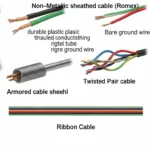


Imagine you walk into two different homes. In one, the walls are clean and smooth with no visible wires. In the other, you can see wires running along the walls and ceilings. Both homes have electricity, but the wiring methods are different. This is a classic example of concealed wiring vs open wiring.
Choosing the right wiring system is not just about appearance. It directly affects safety, maintenance, cost, and durability. A poor choice can lead to frequent faults, higher expenses, or even safety hazards.
For electrical students, engineers, technicians, and beginners, understanding the difference between concealed wiring and open wiring is very important. It helps in designing efficient systems and making better decisions during installation.
In this article, you will learn the concealed wiring vs open wiring working principle, types, components, advantages and disadvantages, applications, and a detailed comparison. By the end, you will be able to confidently choose the right wiring system for any situation.
2. What is Concealed Wiring vs Open Wiring?
Concealed wiring vs open wiring refers to two different methods of installing electrical wires in a building.
Concealed Wiring
In concealed wiring, electrical wires are hidden inside walls, ceilings, or floors. Pipes (conduits) are installed first, and wires run inside them.
Example:
Modern homes and offices usually use concealed wiring for a clean and safe look.
Open Wiring
In open wiring, wires are visible and mounted on walls or ceilings using clips or battens.
Example:
Temporary installations or old buildings often use open wiring.
Key Idea
The main difference between concealed wiring and open wiring is:
- Concealed wiring is hidden
- Open wiring is visible
3. Working Principle
The concealed wiring vs open wiring working principle is based on safely delivering electricity from the source to the load.
Step-by-Step Process
- Step 1: Power supply enters the building
From the main distribution board - Step 2: Wiring path is defined
Either inside walls (concealed) or on surfaces (open) - Step 3: Wires carry current
Through conductors to different points - Step 4: Control devices operate
Switches regulate current flow - Step 5: Devices use electricity
Lights, fans, and appliances operate
Easy Analogy
Think of it like plumbing:
- Concealed wiring = Pipes inside walls
- Open wiring = Pipes visible outside
Both deliver water, but installation style differs.
4. Types / Classification
Types of Concealed Wiring
Conduit Concealed Wiring
- Wires run inside PVC or metal conduits
- Installed within walls
Underfloor Wiring
- Wires placed beneath flooring
- Used in offices and commercial spaces
Types of Open Wiring
Batten Wiring
- Wires fixed on wooden battens
- Common in homes
Cleat Wiring
- Wires supported by porcelain cleats
- Used for temporary setups
Casing and Capping Wiring
- Wires enclosed in casing and covered
- Provides moderate protection
5. Main Components
Conductors (Wires)
- Carry electrical current
- Usually copper or aluminum
Conduits (for concealed wiring)
- Protect wires inside walls
- Made of PVC or metal
Clips and Battens (for open wiring)
- Hold wires on surfaces
- Ensure proper alignment
Switches and Sockets
- Control and supply electricity
Distribution Board
- Divides power into circuits
6. Protective Devices
- Circuit breakers and fuses
- Prevent overload and faults
6. Advantages
Concealed Wiring Advantages
- Clean and modern appearance
- Better protection from damage
- Safer for homes and offices
- Long-lasting system
- Reduced risk of electric shock
Open Wiring Advantages
- Easy installation
- Low cost
- Simple to repair and modify
- Suitable for temporary use
- No need for wall cutting
7. Disadvantages / Limitations
Concealed Wiring Disadvantages
- Expensive installation
- Difficult to repair
- Requires skilled labor
- Fault detection is harder
Open Wiring Disadvantages
- Poor appearance
- Higher risk of damage
- Less safe compared to concealed wiring
- Not suitable for modern interiors
8. Applications
Concealed Wiring vs Open Wiring Applications
Concealed Wiring Applications
- Residential buildings
- Offices and commercial spaces
- Hospitals and schools
- Modern infrastructure
Open Wiring Applications
- Temporary setups
- Workshops
- Old buildings
- Rural installations
9. Comparison Section
Concealed Wiring vs Open Wiring Comparison Table
| Feature | Concealed Wiring | Open Wiring |
| Appearance | Clean and hidden | Visible |
| Safety | High | Moderate |
| Cost | Expensive | Low |
| Maintenance | Difficult | Easy |
| Durability | Long-lasting | Less durable |
| Installation | Complex | Simple |
| Usage | Modern buildings | Temporary/old setups |
10. Selection Guide
Choosing between concealed wiring vs open wiring depends on your needs.
Choose Concealed Wiring When:
- Building a new house
- Aesthetic appearance is important
- Long-term safety is required
Choose Open Wiring When:
- Budget is limited
- Temporary installation is needed
- Frequent changes are expected
Tips for Beginners
- Always prioritize safety over cost
- Follow electrical standards
- Use quality materials
- Consult professionals for large projects
11. Common Problems & Solutions
Why is concealed wiring difficult to repair?
Wires are hidden inside walls, so locating faults requires special tools.
Why does open wiring get damaged easily?
Because it is exposed to physical damage and environmental factors.
What is the difference between concealed wiring and open wiring?
Concealed wiring is hidden inside walls, while open wiring is visible on surfaces.
Which wiring is safer?
Concealed wiring is generally safer due to better protection.
Can open wiring be used in modern homes?
It is not recommended due to safety and appearance concerns.
12. Future Trends
Electrical wiring systems are improving with new technology.
- Smart wiring systems
- Fire-resistant cables
- Advanced conduit materials
- Integration with smart homes
- Wireless energy transmission (emerging)
Future systems focus on safety, efficiency, and automation.
13. Conclusion
Understanding concealed wiring vs open wiring is essential for anyone involved in electrical work. Both methods have their own advantages and limitations.
Concealed wiring offers better safety, durability, and appearance, making it ideal for modern buildings. Open wiring, on the other hand, is cost-effective and easy to install, suitable for temporary or low-budget setups.
The concealed wiring vs open wiring working principle remains the same—delivering electricity safely—but the installation method makes a big difference.
By understanding the concealed wiring vs open wiring advantages and disadvantages, you can make informed decisions for any project. Always prioritize safety, quality, and long-term reliability in your choice.