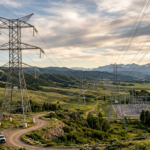

Imagine electricity has already traveled hundreds of kilometers from a power plant through high-voltage transmission lines. But before it reaches your home, shop, or factory, it still needs to be reduced to a safe and usable level. This final and very important stage is handled by the Power Distribution System.
Every time you switch on a light, charge your phone, or run a machine in a factory, you are using electricity that has passed through a distribution network. Without this system, safe and controlled delivery of electricity would not be possible.
The Power Distribution System is the most user-facing part of the electrical power network. It ensures that electricity is delivered at the correct voltage, safely and reliably, to end users. For electrical students, engineers, and technicians, understanding this system is essential because it connects the entire power grid to real-life usage.
In this article, you will learn its definition, working principle, types, components, advantages, disadvantages, applications, and future trends in a simple and practical way.
What is Power Distribution System?
A Power Distribution System is the part of the electrical network that delivers electricity from substations to consumers such as homes, industries, and commercial buildings.
In simple words, it is the system that brings electricity from the power grid to your socket.
Practical Example
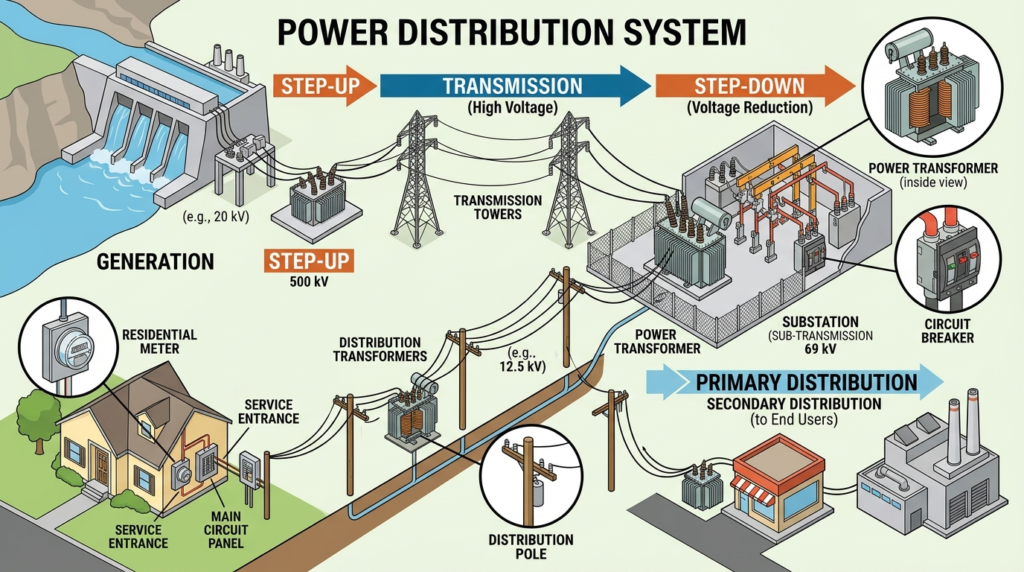
Electricity comes from a transmission line to a local substation, where voltage is reduced. From there, it is sent through distribution lines to homes and businesses.
The Power Distribution System working principle is based on safe voltage reduction and controlled delivery of electrical power.
Working Principle
The working principle of a power distribution system is to step down high voltage electricity and distribute it safely to end users.
Step-by-Step Working
Power Received from Transmission System
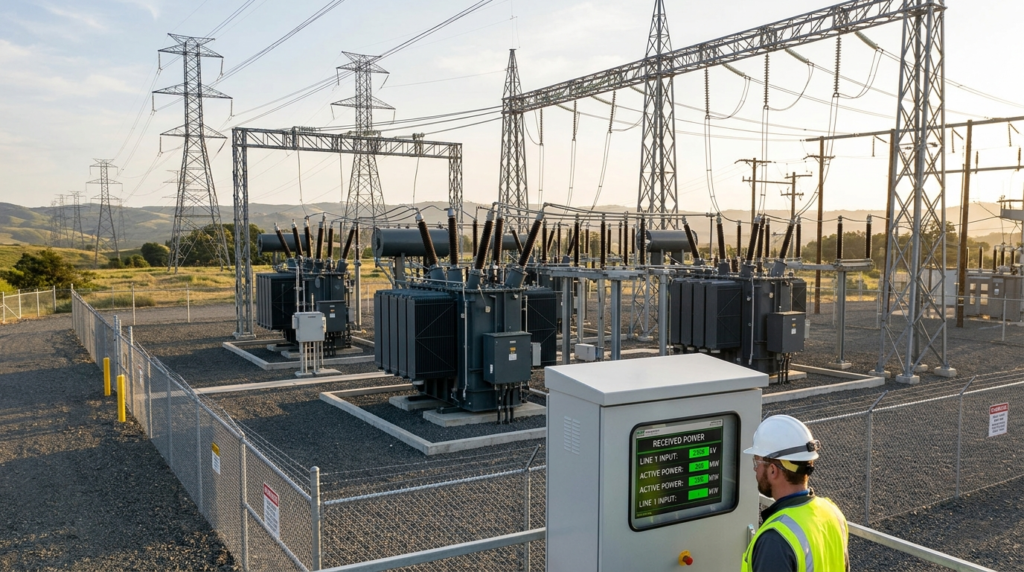
A power received from the transmission system refers to the electrical energy delivered from high-voltage transmission lines to a local distribution substation. At the substation, the high transmission voltage (such as 132 kV, 220 kV, or 500 kV) is reduced to lower distribution voltages using step-down transformers. The electrical power is then distributed through distribution lines to homes, commercial buildings, and industries. Receiving power from the transmission system ensures a continuous, reliable, and efficient supply of electricity while minimizing transmission losses over long distances. This process is an essential stage in the electrical power system, connecting power generation with end user.Electricity arrives at a distribution substation.
Voltage Reduction
- Transformers reduce voltage from high levels (like 11 kV) to usable levels (230V/415V).
Primary Distribution
- Electricity is sent through primary distribution lines.
Secondary Distribution
- Further voltage reduction and supply to local areas.
Final Supply to Consumers
- Electricity reaches homes, shops, and industries.
Easy Analogy
Think of water supply in a city:
- Main reservoir = power station
- Water pipelines = distribution lines
- Household taps = electrical sockets
Key Idea
V \downarrow \Rightarrow I \uparrow \text{ (for same power)}}
Voltage is reduced step by step to make electricity safe for users.
Types / Classification
Radial Distribution System


5
A radial distribution system is the simplest and most commonly used electrical distribution network in which power flows from the distribution substation to consumers through a single feeder or path. Each consumer receives electricity from only one direction, so if a fault occurs on the feeder, the power supply to all consumers beyond the fault is interrupted. Radial distribution systems are simple to design, easy to operate, and have low installation and maintenance costs. They are widely used in rural areas and small towns where the electrical load is relatively low. However, they are less reliable than ring or interconnected distribution systems because there is no alternative path for supplying power during faults or maintenance.
In this system, electricity flows in one direction from the substation to consumers.
Features
- Simple design
- Low cost
- Easy to maintain
Disadvantages
- If a fault occurs, supply is interrupted
Ring Main Distribution System


4
A ring main distribution system is an electrical distribution network in which the distribution feeder forms a closed loop (ring) around the load area. Consumers are supplied with electricity from two directions, providing an alternative path if a fault or maintenance occurs on one section of the feeder. This arrangement improves the reliability and continuity of the power supply, as the faulty section can be isolated while the remaining network continues to operate. Ring main distribution systems provide better voltage regulation, reduced power interruptions, and greater flexibility than radial systems. They are commonly used in urban areas, commercial complexes, hospitals, industrial plants, and other locations where a reliable electricity supply is essential.
In this system, distribution lines form a closed loop.
Features
- Continuous power supply
- Better reliability
- Used in urban areas
Applications
- Cities
- Commercial zones
Interconnected System


4
An interconnected distribution system is an electrical distribution network in which two or more substations or feeders are connected together to supply power to consumers. This arrangement allows electricity to reach the load through multiple paths, providing a highly reliable and continuous power supply. If a fault or maintenance occurs in one feeder or substation, the load can be transferred to another source without interrupting the electricity supply. Interconnected systems offer excellent reliability, improved voltage regulation, better load sharing, and increased operational flexibility. They are commonly used in large cities, industrial zones, commercial centers, and critical facilities such as hospitals, airports, and data centers, where uninterrupted electrical power is essential.
Multiple substations are connected together.
Features
- High reliability
- Flexible load management
- Advanced control
Applications
- Large industrial zones
- Smart grids
Main Components
Distribution Substation
Steps down voltage for local use.
Distribution Transformers


6
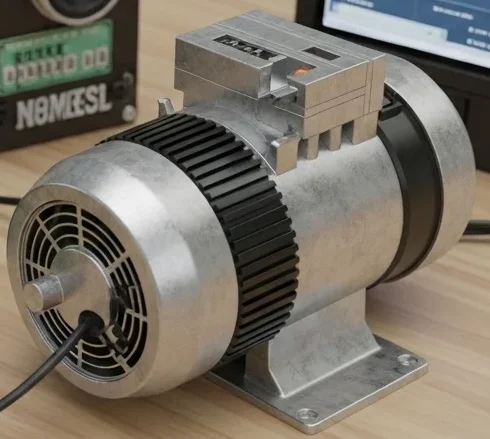
A distribution transformer is an electrical transformer used in the power distribution system to step down the distribution voltage to a lower voltage suitable for residential, commercial, and industrial consumers. It is installed near the point of electricity use and typically reduces voltages such as 11 kV or 33 kV to 400/230 V for end users. Distribution transformers operate continuously and are designed for high efficiency under varying load conditions. They provide electrical isolation, ensure safe voltage levels, and help deliver a stable and reliable power supply. Distribution transformers are commonly available as pole-mounted or pad-mounted units and are an essential part of the electrical distribution network.
Distribution Lines
Carry electricity to consumers.
Feeders
Main lines that carry bulk power without tapping.
Distributors
Lines where electricity is tapped for consumers.
Service Mains
Final connection to homes and buildings.
Protection Devices
Include fuses and circuit breakers for safety.
Advantages
Advantages of Power Distribution System
- Safe delivery of electricity to users
- Reliable supply to homes and industries
- Voltage control and stability
- Easy expansion of network
- Supports urban and rural electrification
- Reduces risk of electrical hazards
Real-World Benefits
- Continuous household electricity
- Smooth industrial operations
- Improved public infrastructure
Disadvantages / Limitations
Common Limitations
- Power losses in lines
- Complex maintenance in large cities
- Fault detection can be difficult
- Requires continuous monitoring
- Infrastructure cost is high
Practical Issues
Overloading and poor maintenance can cause voltage drops and outages.
Applications
Home Applications
- Lighting systems
- Fans and appliances
- Air conditioners
Industrial Applications
- Heavy machinery
- Production lines
- Motors and control systems
Commercial Applications
- Shopping malls
- Offices
- Hospitals
Modern Applications
- Smart homes
- IoT-based energy systems
- Electric vehicle charging stations
The Power Distribution System applications are essential for modern life.
Comparison Section
Radial vs Ring Main Distribution System
| Feature | Radial System | Ring Main System |
| Cost | Low | Higher |
| Reliability | Low | High |
| Maintenance | Easy | Moderate |
| Fault Impact | High interruption | Minimal interruption |
| Usage | Rural areas | Urban areas |
Understanding the difference between radial and ring systems helps in proper system design.
Selection Guide
How to Choose a Distribution System
- Area type (urban or rural)
- Load demand
- Budget availability
- Reliability requirement
- Expansion possibility
Beginner Tips
- Start by learning transformer basics
- Understand voltage levels
- Study local distribution networks
- Focus on safety rules
Proper planning improves system efficiency and safety.
Common Problems & Solutions
Voltage Drop
Cause
- Long distribution lines
Solution
- Use proper conductor size
- Install additional transformers
Power Outages
Cause
- Faults in lines or equipment
Solution
- Regular maintenance
- Use protection devices
Overloading
Cause
- Excess demand on a line
Solution
- Load balancing
- Network expansion
Transformer Failures
Cause
- Overheating or aging
Solution
- Periodic inspection
- Proper cooling system
Why is Distribution System Important?
It ensures safe, stable, and controlled delivery of electricity to all consumers.
Future Trends
Smart Distribution Networks
Digital systems will monitor and control electricity flow automatically.
Smart Meters
Consumers will track real-time energy usage.
Renewable Integration
Solar and wind energy will be directly connected to distribution grids.
AI-Based Monitoring
Artificial intelligence will detect faults before failures occur.
Underground Cabling
Future cities will use underground distribution for safety and aesthetics.
The future of the Power Distribution System is intelligent, automated, and energy-efficient.
Conclusion
The Power Distribution System is the final and most important stage in the electrical power network. It ensures that electricity reaches homes, industries, and commercial areas safely and at the correct voltage. Without a proper distribution system, even the most advanced power generation and transmission networks would not be useful.
In this article, we explored its working principle, types, components, applications, advantages, disadvantages, and future developments. For electrical students and engineers, understanding distribution systems is essential because it represents real-world electricity usage.
As technology advances, distribution systems are becoming smarter, more efficient, and more reliable. With smart grids and renewable integration, the future of electricity distribution is highly promising and sustainable.