
Imagine you switch on a light at home, start an air conditioner, or charge your mobile phone. Within seconds, electricity reaches your appliances safely and reliably. But have you ever wondered how high-voltage electricity from power plants becomes suitable for homes, offices, schools, and industries? One of the most important links in this journey is the 11kV grid station.
An 11kV grid station is a key part of the electrical power distribution system. It receives electricity at high voltage, reduces it to 11 kilovolts (11kV), and distributes it safely to nearby areas. Without these grid stations, reliable electricity supply would not be possible.
Understanding 11kV Grid Station Explained is essential for electrical engineering students, technicians, electricians, and anyone interested in power systems. It helps you understand how electricity is transmitted, controlled, protected, and distributed efficiently.
In this detailed guide, you will learn the 11kV grid station working principle, different types, major components, advantages and disadvantages, practical applications, comparison with similar substations, selection guidelines, common faults, troubleshooting methods, and future developments in modern electrical distribution systems.
What is an 11kV Grid Station?
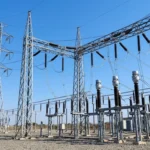
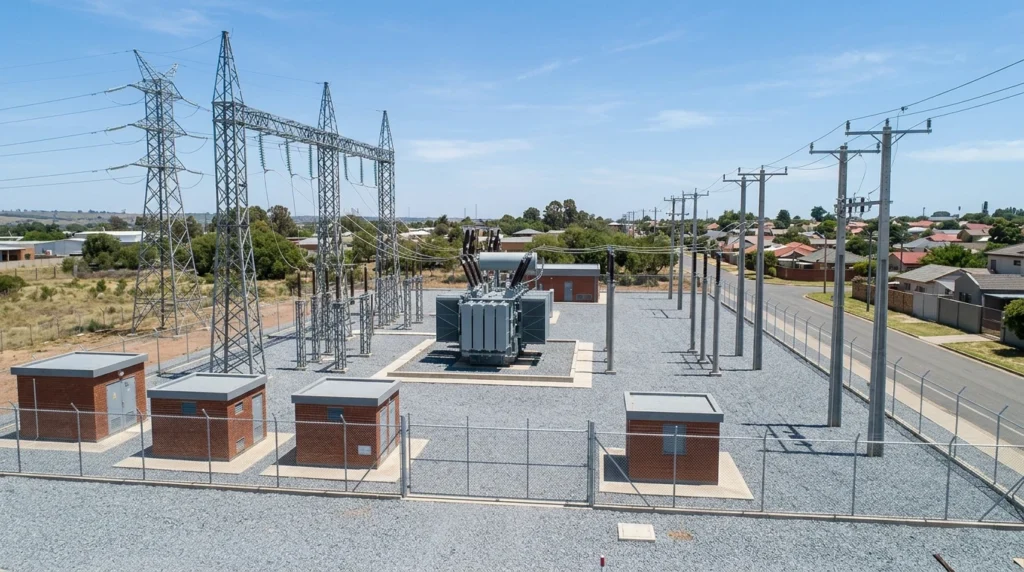
An 11kV grid station is an electrical substation that receives electrical power from higher-voltage transmission or sub-transmission lines and supplies electricity at 11 kilovolts (11,000 volts) for local distribution.
Its main purpose is to safely control, protect, and distribute electrical energy to distribution transformers, which further reduce the voltage to levels suitable for homes, commercial buildings, and industries.
In simple words, an 11kV grid station acts as a power distribution center between high-voltage transmission systems and consumers.
Simple Example
Imagine a large water storage tank supplying water to an entire city. The tank receives a huge amount of water through large pipelines and then distributes it into smaller pipelines that supply individual neighborhoods.
Similarly, an 11kV grid station receives electrical power from higher-voltage lines and distributes it through 11kV feeders to different areas.
11kV Grid Station Working Principle
The 11kV grid station working principle is based on receiving electrical power at a higher voltage, reducing it to 11kV if required, protecting the electrical system from faults, and distributing electricity safely through multiple outgoing feeders.
The entire process happens continuously and automatically.
Receiving High-Voltage Power
Electricity arrives from a transmission or sub-transmission network.
Depending on the network design, the incoming voltage may be:
- 33kV
- 66kV
- 132kV
- Higher transmission voltages
Voltage Reduction
Power transformers reduce the incoming voltage to 11kV.
This lower voltage is suitable for local distribution over short distances.
Protection
Protection equipment continuously monitors the electrical system.
If abnormal conditions occur, protective relays immediately detect the fault.
Circuit breakers disconnect the faulty section before serious damage occurs.
Voltage Control
Voltage transformers and control equipment continuously monitor voltage levels.
Automatic systems help maintain stable voltage for consumers.
Power Distribution
The 11kV busbar distributes electrical power into several outgoing feeders.
Each feeder supplies electricity to different areas or distribution transformers.
Distribution Transformers
Nearby pole-mounted or ground-mounted transformers reduce:
11kV → 400V/230V
This voltage is suitable for homes, offices, schools, hospitals, and shops.
Easy Analogy
Think of an airport.
- Incoming flights represent high-voltage electricity.
- The terminal acts as the grid station.
- Security systems represent protection equipment.
- Departure gates represent outgoing feeders.
- Passengers reaching different cities represent electricity reaching consumers.
The airport organizes and safely distributes traffic, just as an 11kV grid station organizes electrical power.
Types of 11kV Grid Stations
Several types of grid stations are used depending on power demand and installation conditions.
Indoor 11kV Grid Station
Indoor substations are installed inside specially designed buildings.
Features
- Better protection from weather
- Higher operational safety
- Easier maintenance
- Suitable for cities
Applications
- Commercial buildings
- Hospitals
- Shopping malls
- Industrial facilities
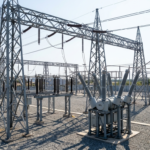
Outdoor 11kV Grid Station
Outdoor stations install equipment in open areas.
Features
- Lower construction cost
- Easy expansion
- Suitable for large installations
Applications
- Utility companies
- Rural power distribution
- Industrial zones
Pole-Mounted 11kV Grid Station
These compact stations are mounted on electrical poles.
Features
- Low installation cost
- Simple construction
- Suitable for light loads
Applications
- Villages
- Small residential areas
- Agricultural regions
Compact Grid Station
Compact substations combine all major equipment inside one enclosure.
Features
- Space-saving design
- High safety
- Fast installation
- Modern appearance
Applications
- Housing societies
- Airports
- Universities
- Commercial complexes
Main Components
Understanding the major parts makes the 11kV grid station working principle much easier.
Power Transformer
The transformer is the heart of the grid station.
Function
- Reduces high voltage to 11kV
- Supplies power to distribution feeders
Circuit Breaker
Circuit breakers automatically disconnect faulty circuits.
Function
- Protect equipment
- Isolate faults
- Improve safety
Isolator
An isolator disconnects equipment during maintenance.
Function
- Provides visible isolation
- Ensures worker safety
Busbar
A busbar is a thick conductor that distributes electrical power.
Function
- Connects incoming and outgoing circuits
- Distributes electricity efficiently
Current Transformer (CT)
A CT measures high current safely.
Function
- Current measurement
- Relay protection
- Metering
Voltage Transformer (VT)
Voltage transformers reduce high voltage for measuring instruments.
Function
- Voltage measurement
- Protective relays
- Metering
Protective Relays
Relays continuously monitor system health.
Function
- Detect faults
- Send trip signals
- Prevent equipment damage
Lightning Arrester
Lightning arresters protect equipment from lightning surges.
Function
- Divert surge voltage safely to earth
Earthing System
Proper grounding ensures electrical safety.
Function
- Protect personnel
- Protect equipment
- Dissipate fault current
Control Panel
The control panel manages grid station operations.
Function
- Monitoring
- Switching
- Alarm indication
- System control
Advantages
Understanding the 11kV grid station advantages and disadvantages helps engineers make better design decisions.
Advantages
- Reliable power distribution
- High operational safety
- Efficient voltage regulation
- Quick fault isolation
- Reduces transmission losses
- Supports growing electricity demand
- Easy maintenance
- Improves power quality
- Protects expensive equipment
- Enables continuous electricity supply
Real-World Benefits
- Fewer power interruptions
- Better industrial productivity
- Stable voltage for sensitive equipment
- Improved public safety
- Reliable electricity for hospitals and schools
Disadvantages / Limitations
Although highly useful, 11kV grid stations also have some limitations.
- High installation cost
- Requires skilled personnel
- Regular maintenance is necessary
- Large land requirement for outdoor stations
- Faults may affect multiple consumers
- Transformer failures are expensive
- Switching operations require safety procedures
- Initial infrastructure investment is significant
Proper planning and preventive maintenance minimize these challenges.
11kV Grid Station Applications
The wide range of 11kV grid station applications makes them an essential part of every electrical network.
Residential Areas
- Housing societies
- Apartment buildings
- Villages
- Towns
Commercial Areas
- Shopping malls
- Hotels
- Office buildings
- Educational institutions
Industrial Applications
- Manufacturing plants
- Textile industries
- Steel factories
- Chemical plants
- Cement factories
Public Infrastructure
- Hospitals
- Airports
- Railway stations
- Water treatment plants
Modern Technology Applications
- Solar farms
- Wind power plants
- Smart grids
- Electric vehicle charging networks
- Data centers
- Renewable energy integration
Comparison Section
Many beginners ask about the difference between 11kV grid station and distribution transformer.
| Feature | 11kV Grid Station | Distribution Transformer |
| Main Purpose | Distributes and controls power | Reduces voltage for consumers |
| Voltage Level | Usually 11kV distribution | 11kV to 400V/230V |
| Protection Equipment | Extensive | Limited |
| Circuit Breakers | Yes | Usually No |
| Busbars | Yes | No |
| Number of Feeders | Multiple | Single output |
| Installation Size | Large | Small |
| Common Location | Utility substations | Streets, poles, buildings |
The main difference between 11kV grid station and distribution transformer is that a grid station manages, protects, and distributes electrical power, while a distribution transformer only reduces voltage for end users.
Selection Guide
Selecting the right 11kV grid station depends on several practical factors.
Load Requirement
Estimate present and future electrical demand.
Always include expansion capacity.
Transformer Rating
Choose transformer capacity according to expected load.
Avoid both undersized and oversized transformers.
Protection System
Install reliable relays and circuit breakers.
Modern numerical relays improve system protection.
Available Space
Indoor stations require buildings.
Outdoor stations need open land.
Compact stations are ideal where space is limited.
Environmental Conditions
Consider:
- Temperature
- Humidity
- Dust
- Flood risk
- Pollution level
Budget
Balance cost with long-term reliability.
Lower initial cost should not compromise safety.
Tips for Beginners
- Understand basic substation layouts.
- Learn standard electrical symbols.
- Study transformer ratings carefully.
- Never ignore earthing requirements.
- Follow electrical safety regulations.
Common Problems & Solutions
Why does the circuit breaker trip frequently?
causes:
- Overload
- Short circuit
- Faulty relay
- Equipment failure
Solution:
Inspect the system and locate the fault before resetting.
Why is transformer temperature high?
causes:
- Overloading
- Cooling failure
- Poor ventilation
Solution:
Reduce load and inspect the cooling system.
Why is voltage low?
causes:
- Heavy load
- Long feeder length
- Transformer issues
Solution:
Balance feeder loads and inspect transformer performance.
Why does the protection relay operate unnecessarily?
causes:
- Incorrect settings
- Wiring problems
- Relay malfunction
Solution:
Test relay settings and verify control wiring.
Why are consumers experiencing power outages?
Possible causes:
- Feeder fault
- Equipment maintenance
- Transformer failure
- Lightning damage
Solution:
Inspect the affected feeder and restore supply after safely clearing the fault.
Future Trends
Electrical distribution is becoming smarter and more efficient.
Future developments include:
- Smart digital substations
- Remote monitoring systems
- IoT-enabled equipment
- Artificial intelligence for fault prediction
- Advanced numerical relays
- Automated switching systems
- Renewable energy integration
- Condition-based maintenance
- Cybersecure grid automation
- Digital twin technology for asset management
These innovations will improve reliability, reduce maintenance costs, and enable faster fault detection while supporting cleaner and more flexible power distribution networks.
Conclusion
Understanding 11kV Grid Station Explained provides a strong foundation for anyone interested in electrical power distribution. An 11kV grid station serves as a critical link between high-voltage transmission systems and local electricity consumers by reducing voltage, protecting equipment, controlling power flow, and distributing electricity efficiently. Learning the 11kV grid station working principle, major components, types, applications, and maintenance practices helps students, engineers, and technicians appreciate how modern electrical networks operate safely and reliably. Although these stations require significant investment and regular maintenance, their contribution to stable power supply, equipment protection, and energy efficiency is invaluable. As smart grids, renewable energy, and digital automation continue to evolve, 11kV grid stations will become even more intelligent, efficient, and essential to the future of electrical power systems.