
Imagine a family using multiple appliances at home during a hot summer day—air conditioner, fridge, washing machine, and microwave all running at the same time from a single extension board. Suddenly, the circuit overheats and trips, or worse, a fire starts due to overload. This is a common real-life situation that shows why electrical safety at home is so important.
Electricity is something we use every day without thinking. It powers lights, fans, appliances, and all modern comforts. But when it is misused or handled carelessly, it can become extremely dangerous. Many home accidents happen due to simple mistakes like overloaded sockets, damaged wires, or wet hands near electrical switches.
Understanding Electrical Safety Tips at Home is essential for everyone—students, technicians, engineers, and even non-technical users. It helps prevent shocks, fires, and equipment damage while ensuring a safe living environment.
In this article, you will learn what electrical safety at home means, how it works, types of safety practices, key components, advantages and disadvantages, and practical tips you can apply immediately.
2. What is Electrical Safety Tips at Home?
Definition
Electrical Safety Tips at Home refer to a set of precautions and practices used to safely operate and manage electrical systems in residential environments.
Simple Explanation
It means:
- Using electricity safely at home
- Preventing electric shock and fire hazards
- Protecting appliances and people
Practical Example
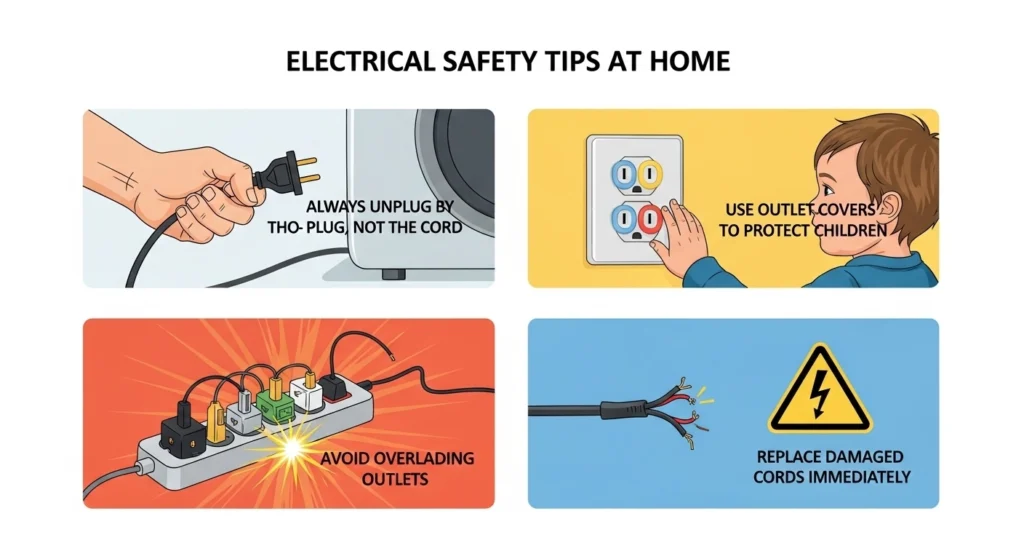
Using child-proof socket covers and not plugging too many devices into one extension board are basic electrical safety practices.
3. Working Principle
Electrical Safety Tips at Home Working Principle
The working principle is based on controlling electrical flow and preventing unsafe conditions.
Step-by-Step Explanation
- Electricity flows through properly designed wiring
- Safety devices monitor current flow
- If a fault occurs, protection devices activate
- Power is disconnected automatically
- Risk of shock or fire is reduced
Easy Analogy
Think of electricity like traffic on a road:
- Normal flow = smooth traffic
- Accident = hazard
- Traffic signals = safety devices controlling flow
Key Points
- Electricity must follow a controlled path
- Safety devices act like guards
- Prevention is better than correction
4. Types / Classification
Types of Electrical Safety Practices at Home
Wiring Safety
- Proper installation of wires
- Avoiding loose connections
- Using good quality cables
Appliance Safety
- Using certified appliances
- Avoiding damaged devices
- Regular maintenance
Usage Safety
- Not overloading sockets
- Turning off unused devices
- Safe handling of switches
Environmental Safety
- Avoiding water near electricity
- Keeping switches dry
- Proper ventilation
Child Safety
- Using socket covers
- Keeping wires out of reach
- Educating children
5. Main Components
Key Components of Home Electrical Safety
Circuit Breaker
- Automatically cuts power during overload
- Prevents fire and damage
Fuse
- Melts during excessive current
- Protects circuits
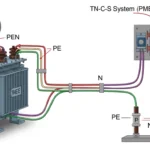
Earthing System
- Provides safe path for fault current
- Prevents electric shock
Insulated Wiring
- Prevents leakage of current
- Ensures safe flow
Residual Current Device (RCD)
- Detects leakage current
- Immediately disconnects supply
6. Advantages
Electrical Safety Tips at Home Advantages and Disadvantages (Benefits)
- Prevents electric shocks
- Reduces fire risks
- Protects electrical appliances
- Ensures family safety
- Increases system lifespan
- Reduces repair costs
- Improves energy efficiency
7. Disadvantages / Limitations
Electrical Safety Tips at Home Limitations
- Requires awareness and discipline
- Initial cost for safety devices
- Regular maintenance needed
- Improper installation reduces effectiveness
- Negligence can still cause accidents
8. Applications
Electrical Safety Tips at Home Applications
Home Applications
- Safe wiring systems
- Appliance protection
- Lighting safety
- Kitchen safety
Industrial Applications
- Worker safety systems
- Machine protection
- Control room safety
Modern Technology
- Smart home systems
- Automated circuit breakers
- Remote monitoring apps
- Energy management systems
9. Comparison Section
Difference Between Safe and Unsafe Electrical Practices
| Feature | Safe Practices | Unsafe Practices |
| Risk Level | Low | High |
| Equipment Condition | Well maintained | Damaged or old |
| Wiring | Properly insulated | Exposed wires |
| Appliance Use | Controlled | Overloaded |
| Outcome | Safety | Accidents |
10. Selection Guide
How to Choose Proper Electrical Safety Measures
Key Factors
- Type of home wiring
- Number of appliances
- Load capacity
- Presence of children
- Budget for safety devices
Tips for Beginners
- Always use certified electrical products
- Install circuit breakers and RCDs
- Avoid using cheap extension boards
- Keep electrical areas dry
- Regularly inspect wiring
11. Common Problems & Solutions
Why do home electrical accidents happen?
Due to overload, faulty wiring, or careless usage.
How to prevent electrical fire at home?
Avoid overloading circuits and use proper protection devices.
What is the most important safety tip?
Never touch electrical devices with wet hands.
Why does circuit breaker trip frequently?
Because of overload or short circuit.
How often should home wiring be checked?
At least every 3–5 years or during maintenance checks.
12. Future Trends
Electrical safety at home is becoming smarter with technology.
- Smart Home Systems: Automatic fault detection
- IoT Safety Devices: Remote monitoring
- AI-Based Protection: Predicts overload risks
- Advanced Circuit Breakers: Faster response
- Energy Management Systems: Optimize load usage
Future homes will be safer and more automated.
13. Conclusion
Understanding Electrical Safety Tips at Home is essential for protecting lives, property, and electrical systems. Most accidents occur due to simple mistakes like overloading sockets, ignoring damaged wires, or using appliances improperly.
By following proper safety practices, using protective devices, and maintaining awareness, you can significantly reduce electrical risks at home. Safety is not just a technical requirement—it is a daily habit.
As a student, technician, or homeowner, always prioritize safety over convenience. A safe home is a smart home, and proper electrical care ensures long-term protection and peace of mind.