
“How many solar panels do I need?” is the first question most homeowners ask when they start thinking about solar power. The answer depends on three things: how much electricity your home uses, how much sunlight your roof receives, and how powerful each panel is. Get those three numbers right, and the rest is simple arithmetic.
This guide walks you through the sizing process step by step, with a worked example for a typical home. You will learn how to read your electricity bill, estimate your peak sun hours, and turn those figures into a panel count. You will also see how roof space, batteries, and budget change the answer, and when to stop adding panels.
What Decides How Many Solar Panels You Need?
Four factors decide your panel count. Your energy use sets the size of the job: a home that uses 30 kilowatt-hours (kWh) a day needs roughly twice as many panels as a home that uses 15 kWh. Your local sunshine decides how much each panel produces. The panel wattage decides how much roof each kilowatt of capacity needs. And your goal, whether you want to cover the whole bill or just cut it, decides how far you go.
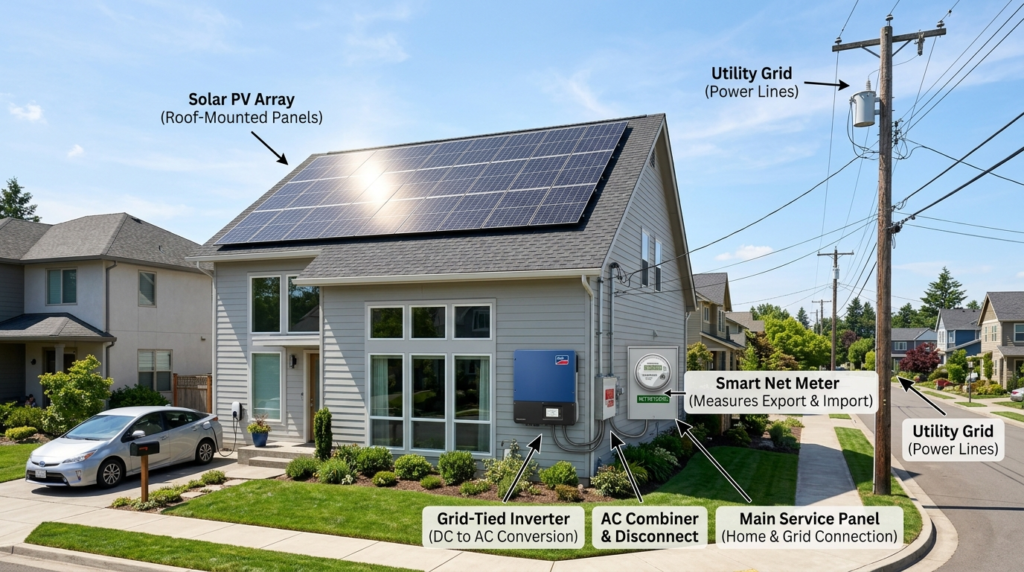
Before you buy anything, it helps to understand how the parts of a system fit together. A good place to start is our guide to a solar system for home, which explains panels, inverters, and batteries in plain language.
Step 1: Find Your Daily Energy Use
Start with your electricity bill. Look for the total kilowatt-hours used in the month, then divide by the number of days in the billing period. That gives your average daily use. If your bill shows 900 kWh for a 30-day month, you use about 30 kWh a day. Check two or three bills, including a summer and a winter one, and average them, because air conditioning and heating swing the numbers a lot.
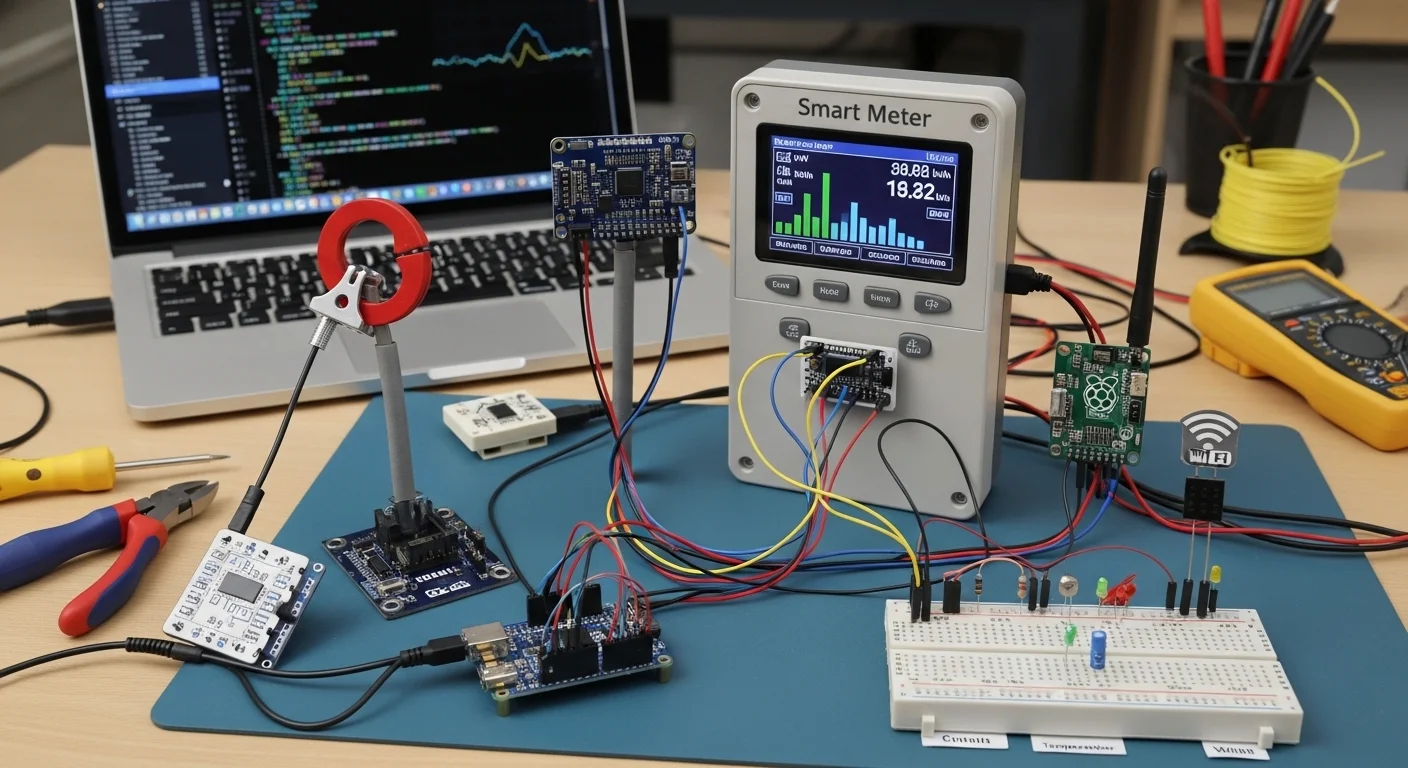
If you do not have bills handy, add up the appliances instead. An electrical load calculation lists every appliance’s wattage and the hours it runs, then totals the daily energy. It takes longer, but it shows exactly where your electricity goes, and it helps you spot loads you could trim before you size a system.
- Refrigerator: about 1.5 kWh per day
- Washing machine: about 0.5 kWh per load
- Air conditioner: about 2 to 4 kWh per hour of use
- Electric water heater: about 3 to 4 kWh per day
- LED lighting for a whole home: about 0.5 kWh per day
Step 2: Check Your Peak Sun Hours
A peak sun hour is an hour of sunlight strong enough to count as full sun, that is, 1,000 watts per square meter. Most places in the United States get between 3 and 6 peak sun hours a day, depending on latitude, cloud cover, and season. Phoenix gets more than 6, while Seattle gets closer to 3.5. Your panel output depends on this number, not on how many hours of daylight you get.
You can find your figure on solar maps and calculators, or ask a local installer. Use a yearly average for sizing, but remember that winter output will be lower. A system sized to cover your bill on the yearly average will under-produce in December and over-produce in June. That is normal, and net metering evens it out over the year.
Step 3: Do the Math
The formula is simple: divide your daily energy use by your peak sun hours to get the system size in kilowatts, then divide that by the wattage of one panel to get the panel count.
| Daily use | Peak sun hours | System size | Panels at 400 W |
|---|---|---|---|
| 15 kWh | 5 | 3.0 kW | 8 |
| 20 kWh | 5 | 4.0 kW | 10 |
| 25 kWh | 4.5 | 5.6 kW | 14 |
| 30 kWh | 5 | 6.0 kW | 15 |
| 40 kWh | 4 | 10.0 kW | 25 |
Add a small margin, about 10 to 15 percent, for losses from heat, dust, inverter conversion, and shading. A 6 kW calculation becomes about 6.6 to 6.9 kW in practice, which usually means one or two extra panels. Oversizing a little is cheap insurance; undersizing leaves you buying power from the grid.
Roof Space, Budget, and Batteries
A standard residential panel is about 17 to 18 square feet, so 15 panels need roughly 270 square feet of usable roof, plus walking space and setbacks. South-facing roofs at a tilt near your latitude give the best output, but east- and west-facing roofs work well too. They just need a few more panels to make the same energy.
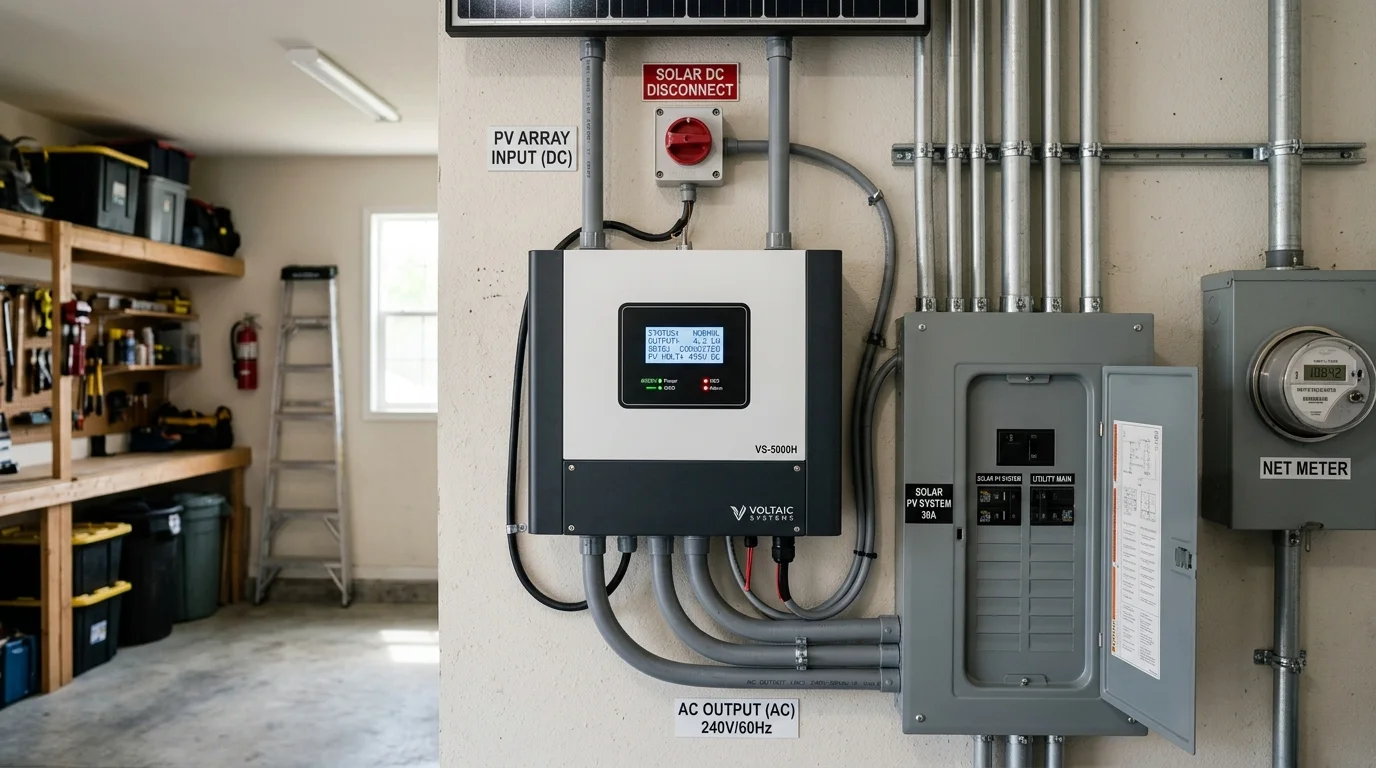
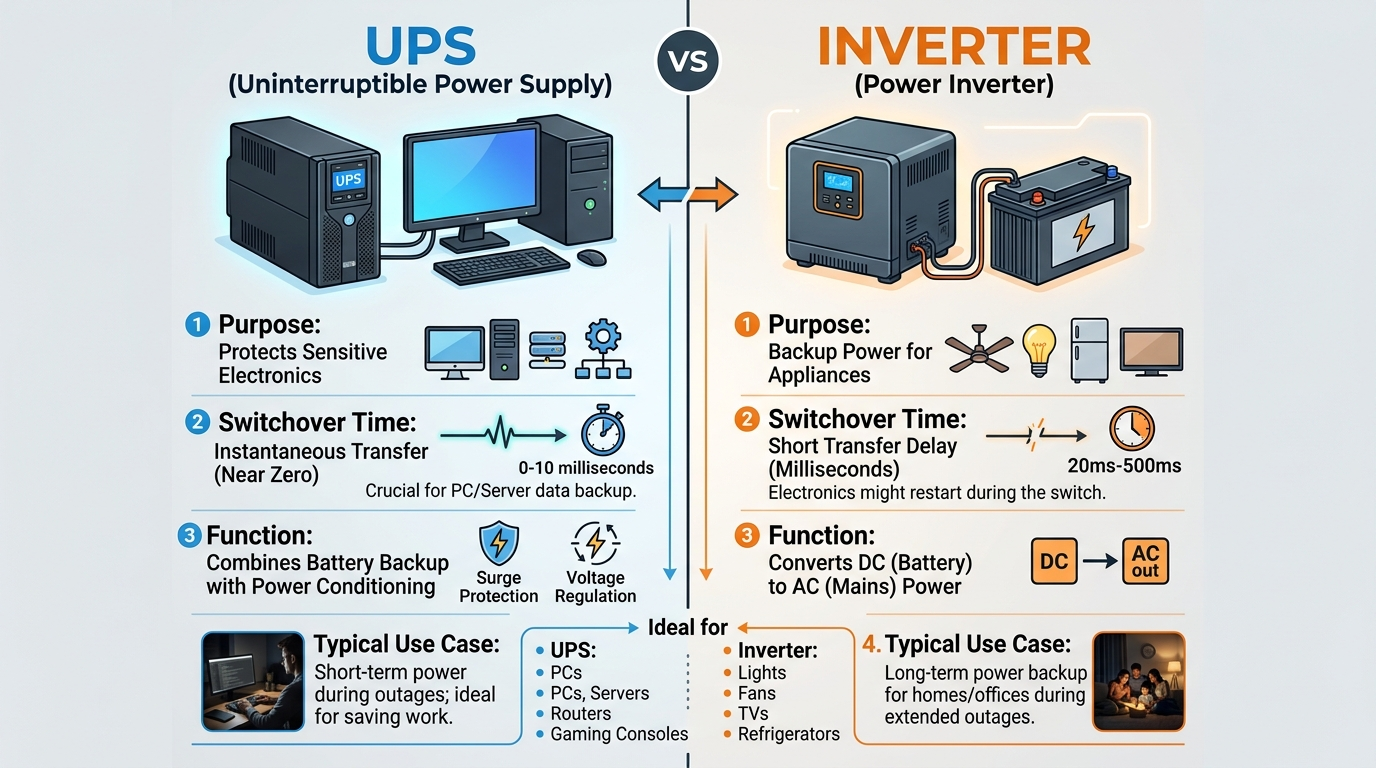
Batteries change the calculation. If you add storage, you may want extra panels to charge the battery during the day while still running the house. Our guide to solar inverter systems explains the inverter choices that pair with batteries, and how hybrid inverters manage the flow between panels, battery, and grid.
Worked Example: A Typical Family Home
Take a family home that uses 900 kWh a month, or 30 kWh a day, in a place with 5 peak sun hours. Dividing 30 by 5 gives a 6 kW system. With 400-watt panels, that is 15 panels. Add 15 percent for losses and the target becomes about 6.9 kW, or 18 panels. At roughly 18 square feet each, that is about 325 square feet of roof.
The same home in a cloudier place with 4 peak sun hours would need 7.5 kW before losses, or about 19 panels, and 22 after the margin. Location matters as much as consumption, which is why a quote from a neighbor in another state tells you very little about your own roof.
Frequently Asked Questions
How many solar panels do I need for a 2,000 square foot house?
A 2,000-square-foot home typically uses 25 to 35 kWh a day, which works out to 15 to 20 panels of 400 watts in a sunny area. The house size itself is only a rough guide. The number of people, the heating system, and the appliances matter more than the floor area.
Can I add more panels later?
Yes, in most cases. Leave space on the roof and choose an inverter with spare capacity, or a microinverter system that scales panel by panel. Adding panels later costs more per panel than doing it all at once, but it is a practical way to grow a system as your needs change.
How many panels fit on a typical roof?
A typical roof fits 15 to 25 residential panels, depending on its size, shape, and obstructions such as chimneys and skylights. An installer measures the usable area and plans the layout, leaving setbacks for fire access and maintenance.
Do I need a battery with my solar panels?
No, not unless you want backup power during outages or want to use more of your own solar energy at night. A grid-tied system without a battery is cheaper and simpler. Batteries add cost, but they give you power when the grid is down and let you store daytime surplus.
How accurate is the panel-count formula?
The formula gives a solid estimate, usually within one or two panels of a professional design. The main uncertainties are your real peak sun hours and shading. A site survey with a shade analysis is the step that turns an estimate into a firm design.
Conclusion
Working out how many solar panels you need comes down to three numbers: your daily energy use, your peak sun hours, and your panel wattage. Divide daily use by sun hours for the system size, then divide by panel wattage for the count, and add a margin for losses. Most homes land between 12 and 25 panels.
For a detailed planning checklist, the U.S. Department of Energy’s guide to planning a home solar electric system covers site assessment, costs, and incentives in one place.